Capturing Perspectives: The Difference Between Traditional Cameras and Drones
In the world of photography and videography, the tools we use significantly impact how we capture and interpret our surroundings. Traditional cameras and drones, while serving the same fundamental purpose of capturing images, offer vastly different experiences and outcomes. This blog explores the key differences between these two devices, highlighting how each can uniquely contribute to the art of visual storytelling.
The Traditional Camera:
Framing the Moment
Mastery Over Control
Traditional cameras, ranging from DSLRs to mirrorless systems, are renowned for their precision and control. Photographers can adjust settings like shutter speed, aperture, and ISO manually to capture images with specific artistic intentions. The tactile experience of adjusting a lens and framing a shot offers a level of detail and personal involvement that is deeply valued in traditional photography.

Portability and Accessibility
Traditional cameras are generally more portable and accessible for everyday use. Their compactness and ease of handling make them ideal for a wide range of scenarios, from street photography to studio shoots.
The Drone: Elevating the View
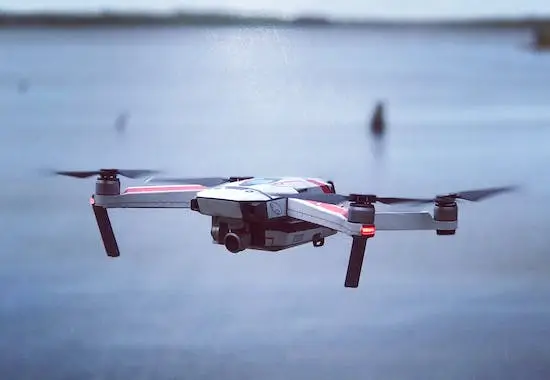
A New Perspective from Above
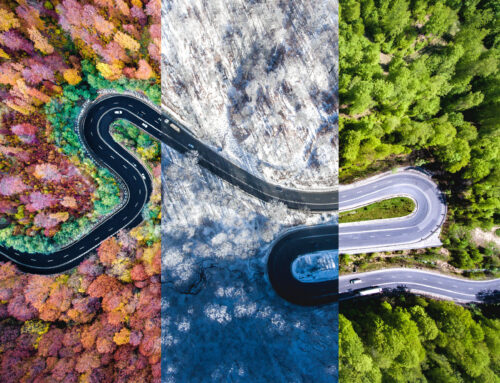
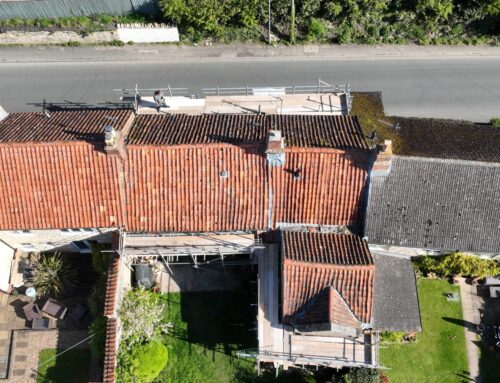
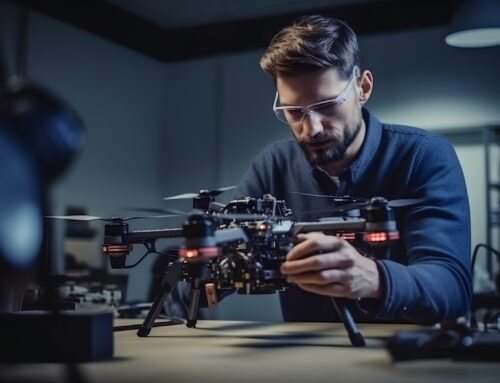
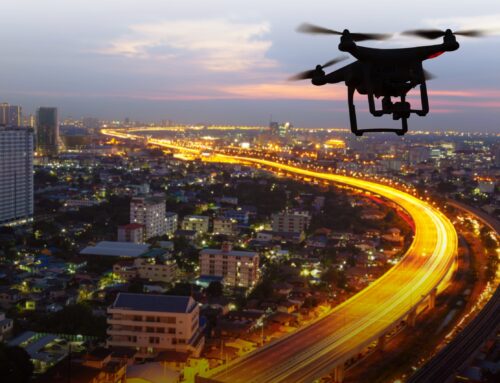
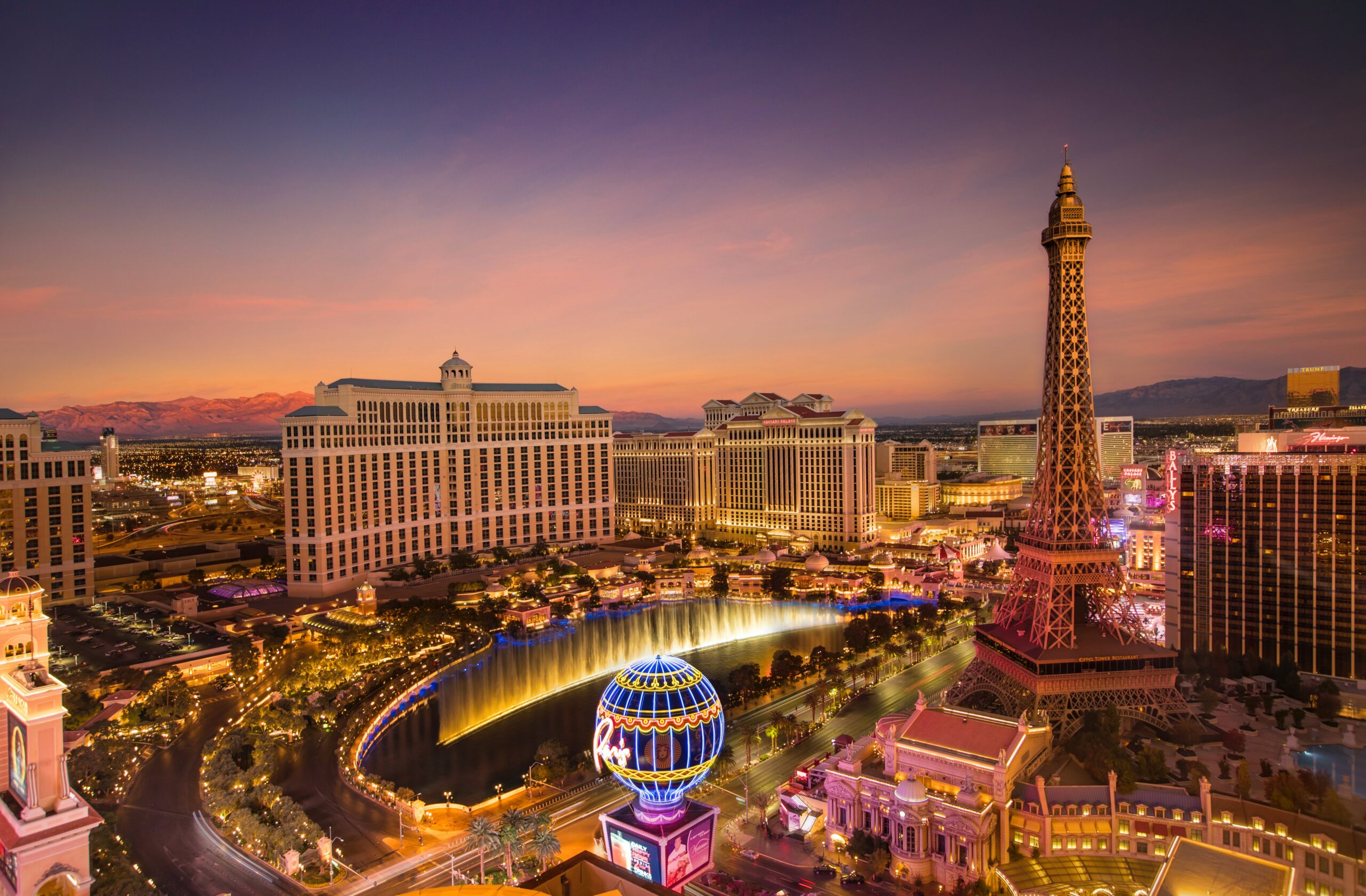
Drones bring an entirely different dimension to photography – the aerial perspective. They allow us to capture landscapes, architecture, and events from angles that were once impossible or prohibitively expensive to achieve. The bird’s-eye view offered by drones provides a grand, expansive context to the subject matter.
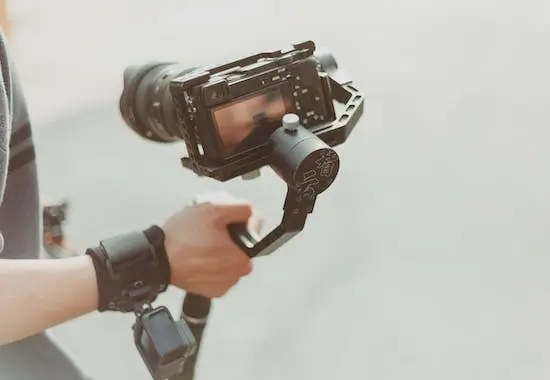
Dynamic Movement and Video Capabilities
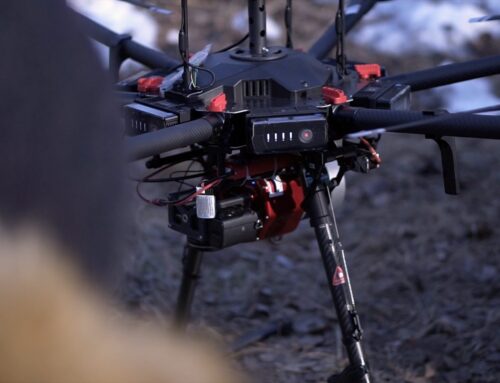
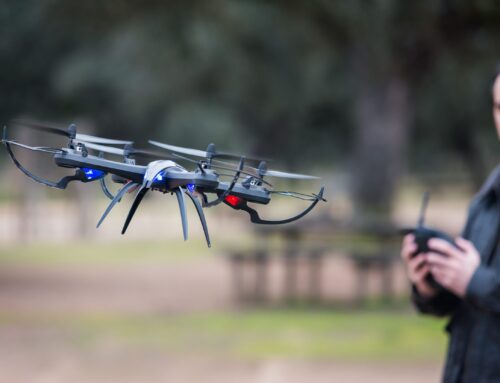
Apart from still photography, drones excel in capturing high-quality, dynamic video footage. They can smoothly traverse vast areas, create sweeping establishing shots, and follow moving subjects with ease, adding a cinematic quality to the footage.
Image Quality and Capabilities
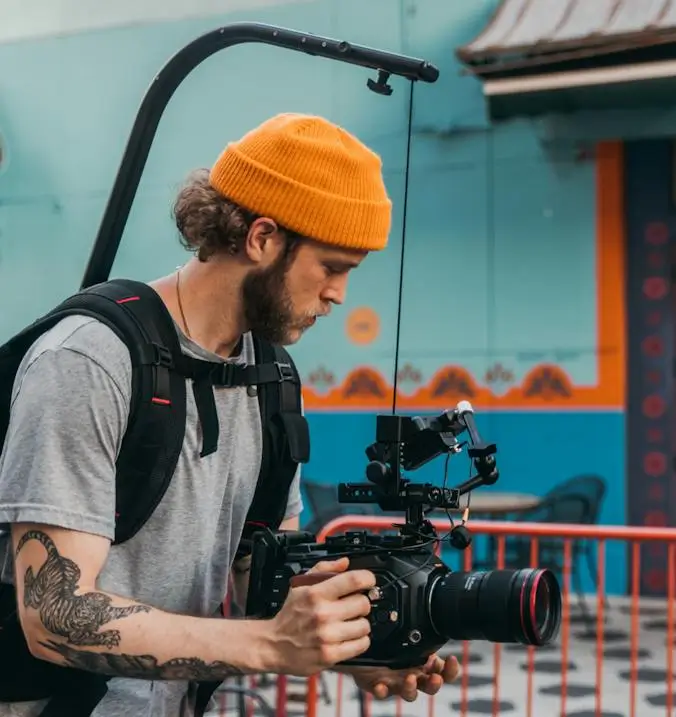
Comparing the Outputs
While high-end traditional cameras often have superior image sensors capable of capturing images with greater detail and dynamic range, drone cameras have made significant advancements. Modern drones now offer 4K video capabilities and larger sensors, closing the gap in image quality.
Use Cases and Applications
Choosing the Right Tool for the Job
The choice between a traditional camera and a drone often comes down to the specific requirements of the project. Traditional cameras are preferred for more controlled environments and detailed artistic compositions, while drones are chosen for their ability to capture expansive aerial views and dynamic motion.

Conclusion
Both traditional cameras and drones are powerful tools in their own right, each offering unique advantages to photographers and videographers. Understanding the strengths and limitations of each can help you choose the right tool for your next project, whether you’re capturing intimate portraits or expansive landscapes. At Flipswitch Films, we harness the power of both, blending traditional techniques with innovative drone technology to create unparalleled visual narratives.