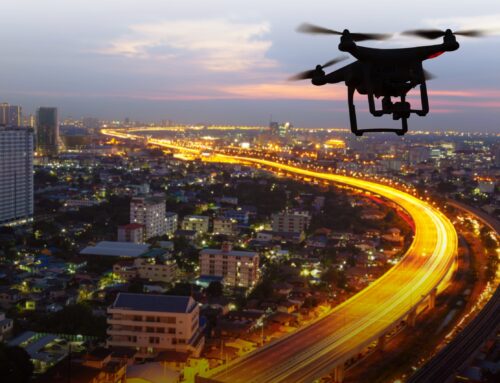
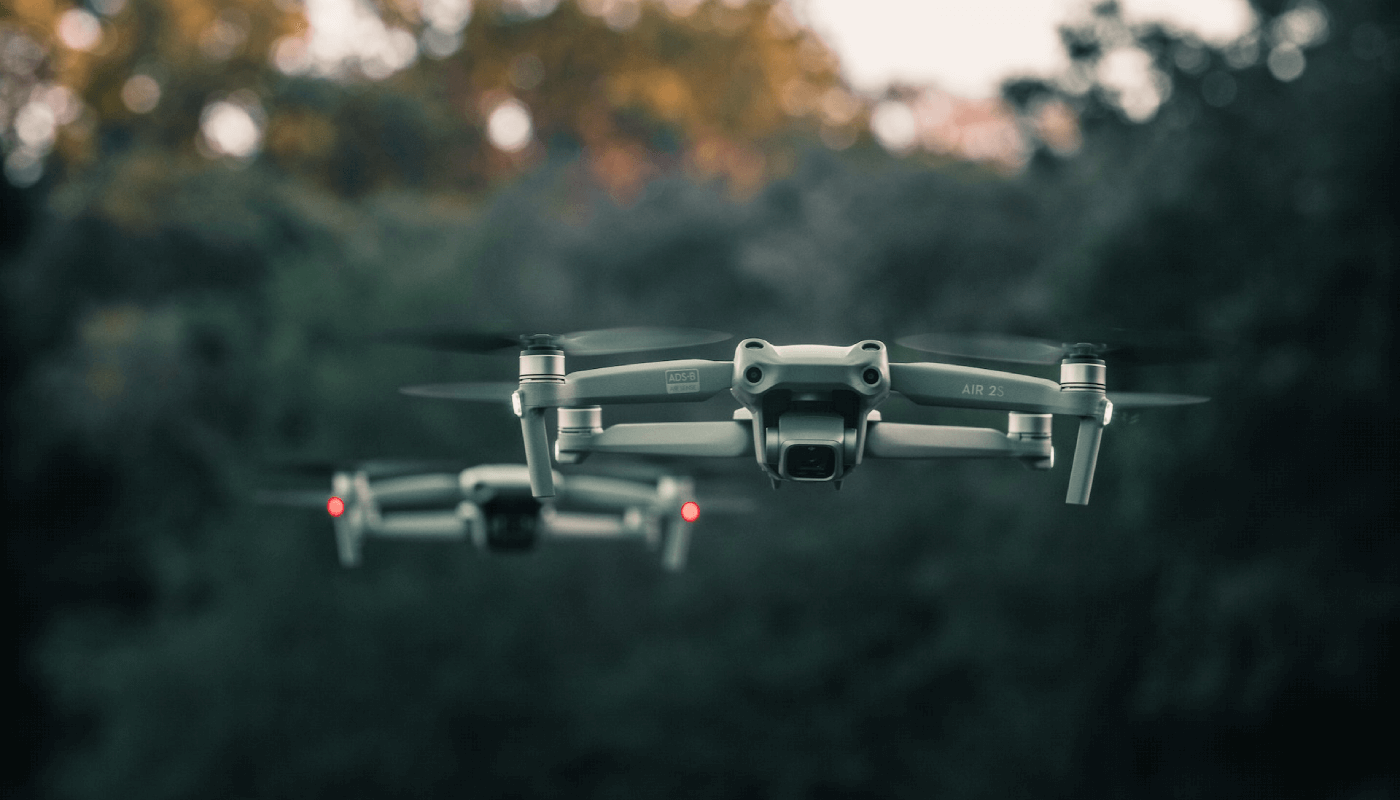
In the rapidly evolving world of drone technology, the UK has been proactive in creating a framework that allows innovation to flourish while ensuring public safety. Drone enthusiasts and professionals must understand these rules to operate within the law and maximise their drone potential.
The Foundation:
The UK’s Civil Aviation Authority (CAA)
The Civil Aviation Authority, or CAA, is the primary body responsible for overseeing and regulating the use of drones in the UK. It’s their mandate to ensure the skies remain safe for everyone, whether you’re piloting a commercial airliner or a recreational drone.
Registration and Licensing
Before flying a drone that weighs between 250g and 20kg, you must register with the CAA. This involves passing an online theory test to get the flyer ID and an owner ID if you’re responsible for a drone. Renewal is required annually, ensuring continuous learning in a changing landscape.
The Drone Code:
Rules of the Skies
Adherence to the UK’s Drone Code is essential for safe and lawful flying:
- Don’t fly near airports or airfields: Drones should be flown at least 5 km away from these areas unless specific permission has been granted.
- Stay below 400 feet (120m): This reduces the risk of a collision with a manned aircraft.
- Keep your drone within your line of sight: This is crucial for maintaining control and awareness of any potential hazards.
- Keep 50m away from people and private properties: This distance increases to 150m for crowds and built-up areas.
- If fitted with a camera, respect people’s privacy: This involves not recording or photographing individuals without their consent.

No-Fly Zones and Pre-Flight Planning
Certain areas in the UK are designated as no-fly zones, including government buildings, prisons, and other sensitive locations. Pilots must be aware of these areas and plan their flights accordingly.
Commercial Use and Permissions for Commercial Operations (PfCO)
For drone pilots seeking to use their drones for commercial purposes, there’s a need to apply for Permissions for Commercial Operations. The CAA assesses each application based on the risk of the intended operation. A PfCO ensures you’re held to the highest standards of safety and proficiency.
Keeping Current with Evolving Regulations
The drone landscape is ever-changing. As technology advances, so too will the regulations. Engage in continuous learning, subscribe to updates from the CAA, and join local drone communities to keep abreast of the latest in drone law.
The Takeaway
Navigating the complexities of UK drone laws can be challenging, but the effort ensures a safe and vibrant drone community. By understanding and adhering to the regulations, pilots can unlock the vast potential drones offer, from capturing breathtaking visuals to pioneering new forms of aerial service.