Drones & The Wild:
Crafting Authentic Narratives from Above
When it comes to capturing the authentic, raw essence of the wild, drones have emerged as the unsung heroes in wildlife filmmaking. But their role goes beyond just getting those cinematic aerial shots. This comprehensive guide sheds light on the broader spectrum of drone usage in wildlife filming, highlighting areas often missed.

The Real Impact of Drones in Wildlife Filming
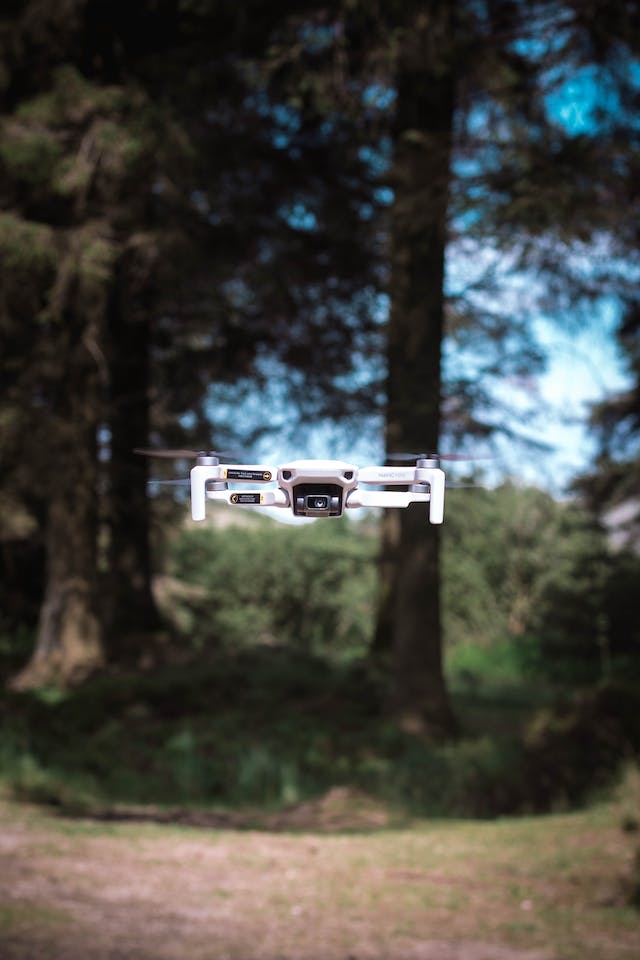
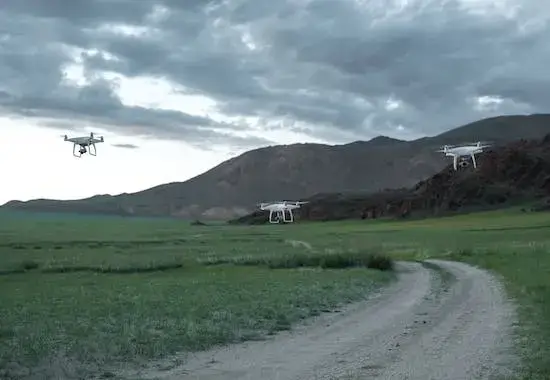
It’s no secret that drones have disrupted the filming landscape, but their influence in wildlife filming is truly revolutionary. No longer are filmmakers restricted to distant, often invasive setups. Drones provide a non-intrusive means to film wildlife, ensuring animals remain undisturbed in their natural habitats.
Tackling the Challenges Head-On
Despite the advantages, drones in wildlife filming aren’t without their challenges. Noise can be a deterrent for many species. However, advancements in drone technology are ushering in quieter models, significantly reducing their acoustic footprint in sensitive ecosystems.
Battery life remains a concern, especially in remote locales. Yet, with solar-powered charging stations and energy-efficient drone models, this challenge is being actively addressed.
Ethical Considerations – The Line Between Passion & Preservation
While drones offer unprecedented access, it’s crucial to strike a balance. Responsible filmmakers understand the importance of not causing distress or altering an animal’s natural behaviour. This commitment ensures the story remains genuine, and wildlife is respected.
The Tech Breakdown – Selecting the Perfect Drone for Wildlife Filmmaking
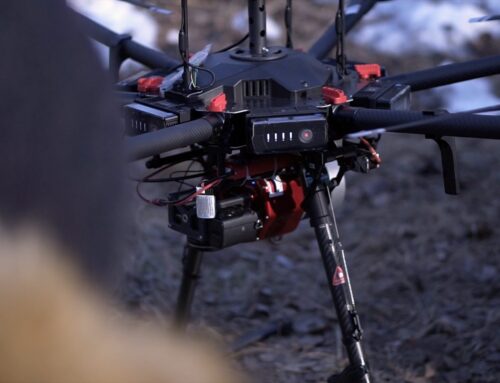
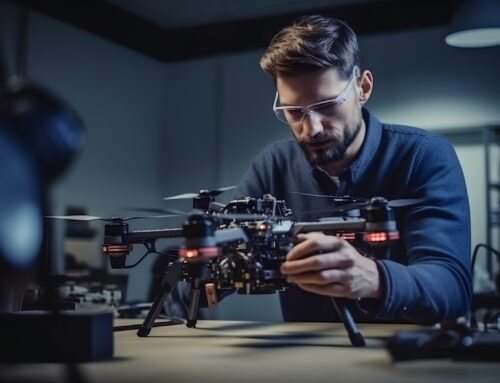
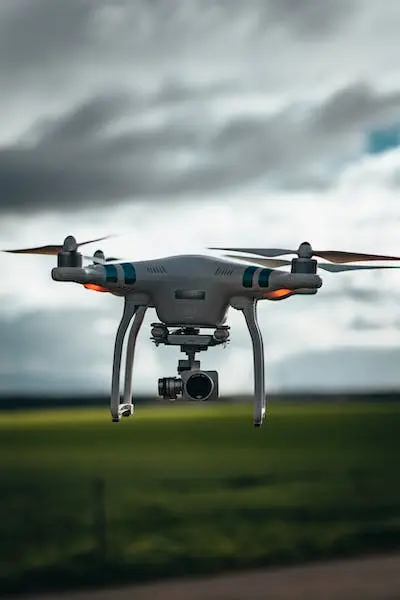
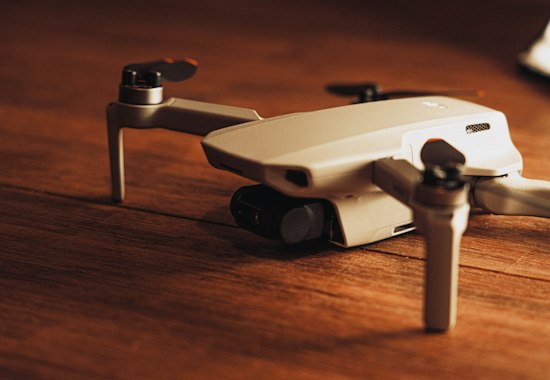
Drones are not a one-size-fits-all solution. Depending on the desired shot, terrain, and species, the type of drone can vary. From hexacopters equipped with advanced stabilisation features to lightweight drones for swift manoeuvring, the choice can make all the difference.
The Road Ahead – The Future of Drones in Wildlife Filmmaking
As technology advances, so will the capabilities of drones. From enhanced AI-driven tracking systems to extended flight times, the future looks promising for wildlife enthusiasts and filmmakers alike.
Answering Your Pressing Questions
How close can drones get to animals?
While drones can fly close, it’s advised to maintain a respectful distance to prevent distress or behavioural changes in wildlife.
Are drones safe for all environments?
Drones are adaptable, but in extremely cold or hot conditions, performance might be affected. Proper research and preparation are key.
Do I need special permissions for wildlife filming with drones?
Yes, especially in protected reserves or national parks. Always adhere to local regulations and acquire necessary permits.