
Mastering the Skies:
Techniques Every Professional Drone Pilot Should Know
The world of drones is ever-evolving, and with it, the techniques to pilot them proficiently. For those who’ve surpassed the beginner phase and are looking to polish their drone piloting skills, this is your handbook. Let’s delve deep into the realm of advanced drone piloting techniques that can significantly enhance your aerial footage quality and safety in the skies.
The Importance of Advanced Drone Techniques
Before we venture into the techniques themselves, it’s vital to understand their significance. Mastering advanced skills not only ensures safer flights but also opens the door to more dynamic and visually appealing shots.
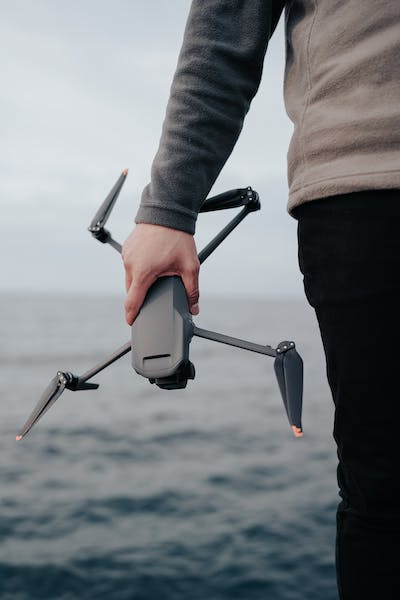
Understanding Your Drone’s Full Potential
- Terrain Follow Mode: This allows your drone to maintain a consistent altitude while navigating over changing terrains. It’s especially useful for tracking moving subjects over uneven landscapes.
- Point of Interest (POI) Mode: By setting a specific object or location as a POI, your drone will automatically circle that point at a consistent radius, giving dynamic panning shots.
Flight Path Optimisation
- Waypoint Flying: Pre-set a route with multiple waypoints, and let your drone fly the path autonomously. This is beneficial for capturing consistent shots across different days or conditions.
- Orbiting a Subject: A technique that requires precision, orbiting is about flying your drone in a circular path around a subject while keeping the camera locked on. It can yield captivating perspectives.

Mastering Manual Modes for Dynamic Shots
While automated modes are convenient, manual control offers more flexibility.
- Tilt & Pan Control: By manually adjusting the gimbal, you can achieve smooth vertical or horizontal panning shots.
- Throttle Control: This deals with adjusting your drone’s altitude. By mastering this, you can achieve smooth ascents and descents, vital for reveal shots.
Safety First: Advanced Techniques for Avoiding Obstacles
Drones are equipped with obstacle avoidance sensors, but relying solely on them isn’t recommended.
- Course Lock Mode: This mode allows the drone to fly in a straight line, irrespective of its orientation. It’s useful for side-tracking shots, especially in areas with obstacles.
- Hover & Assess: If unsure of the path ahead, it’s always best to hover, assess the surroundings using the drone’s camera, and then proceed.

Perfecting Landings in Challenging Conditions
A professional knows that a perfect shot also requires a perfect landing.
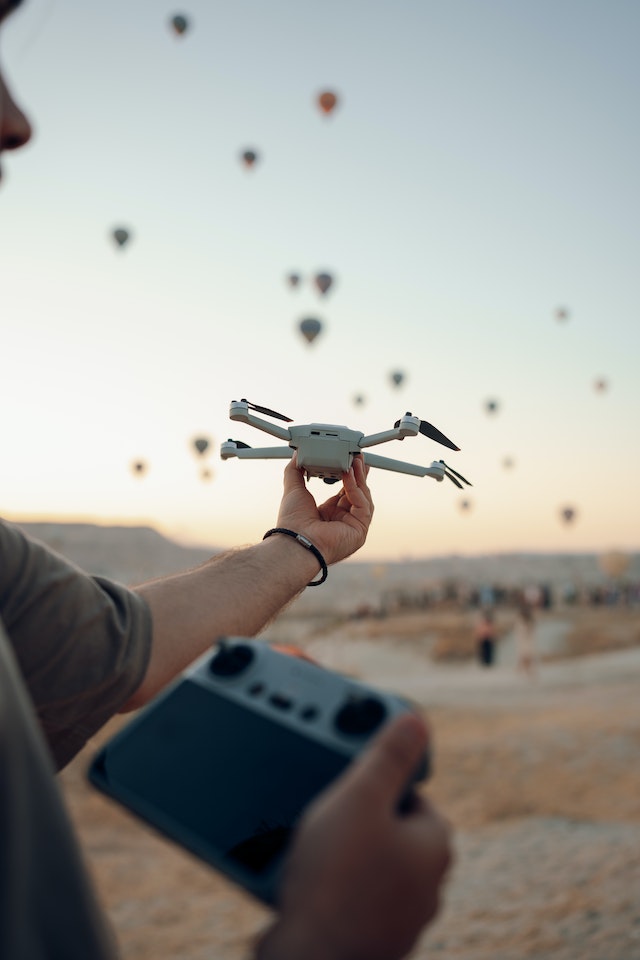
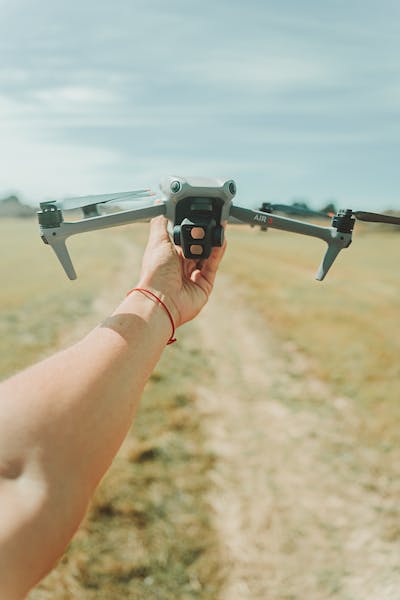
- Hand-catching: In terrains where the ground is uneven or surrounded by vegetation, mastering hand-catching can be a lifesaver.
- Spot Landing: Practice precision landing on marked spots, especially useful in constrained areas.
Continuous Learning and Practice
In the drone world, technology and techniques are continuously evolving. Staying updated with the latest advancements, participating in workshops, and regular practice are the keys to truly mastering the skies.