How to Improve Your Drone Racing Skills: Pro Tips and Training Methods

Are you ready to take your drone racing skills to new heights? In this comprehensive guide, we will share with you the most effective and professional training methods to help you master the art of drone racing. Whether you are a new pilot looking to enter the exciting world of drone racing or an experienced racer wanting to enhance your skills, this article is designed to provide you with the knowledge and techniques you need to become a competitive and confident drone racer.
From essential pro tips to strategic training exercises, we will equip you with the tools and mindset necessary to soar above the competition. Get ready to elevate your drone racing abilities and unleash your full potential in this exhilarating sport.
Mastering the Basics of Drone Racing

Understanding the Mechanics of Drone Flight
Before you can compete at high speeds, it's critical to comprehend the mechanics of drone flight. At its core, drone flight is governed by four basic movements: roll, pitch, yaw, and throttle. Roll tilts the drone side to side, affecting its horizontal movement. Pitch tilts the drone forward or backward, dictating its forward and reverse motion. Yaw rotates the drone left or right, which changes the direction it's facing without moving it from its position. Throttle controls the altitude, allowing the drone to ascend or descend.
Understanding these movements is essential to manoeuvring your drone through complex racecourses. It's not just about the controls, though; it's about how these movements interact with the aerodynamics of the drone. Mastery here provides the foundation for advanced techniques and will help in maintaining control at high velocities, ensuring you can tackle tight turns and technical sections with confidence.
Rules and Regulations in Drone Racing
Navigating the rules and regulations of drone racing is just as crucial as mastering flight controls. Each racing league has its own set of guidelines, but there are some commonalities. For starters, drones are typically required to meet specific size and weight classifications. Safety measures are paramount; for instance, drones must have failsafe mechanisms in case of signal loss.
Understanding the point system is also vital. Races are not always about being the fastest; precision and technique can earn points too. Additionally, there are rules around the technical aspects, such as the frequency used for your video feed to avoid interference with other racers.
It's important to familiarise yourself with the regulations of any event you enter. Not only does this prevent disqualification, but it also ensures fair competition and safety for all participants. With a clear understanding of the rules, you can focus on racing without the worry of inadvertent rule breaches.
Important Drone Racing Terminology
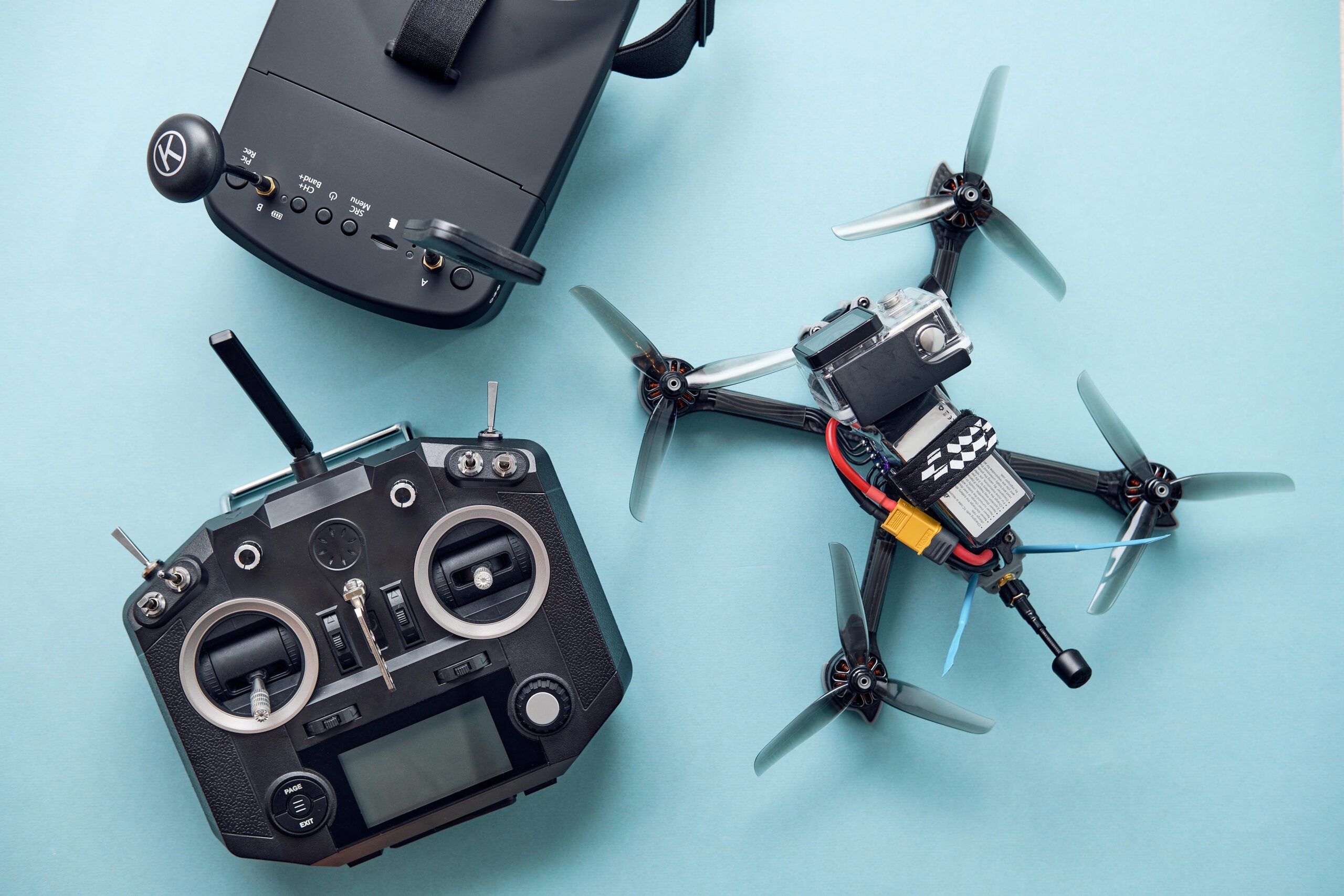
To fully integrate into the world of drone racing, you'll need to become fluent in the sport's unique terminology. 'FPV' stands for First-Person View, referring to the method by which pilots fly their drones via a camera feed transmitted to their goggles or monitor. 'Racer' or 'Racing Drone' is the term for the lightweight, speed-optimised drones used in competitions.
'Piloting Line' or 'Racing Line' is the optimal path a racer takes through a course to achieve the quickest time. 'Thrust-to-weight ratio' is a critical specification of a racing drone, indicating the power available to overcome its weight, essential for acceleration and manoeuvrability.
There are also terms for manoeuvres, such as 'Hairpin', a tight U-shaped turn, and 'Split-S', a move where the drone inverts and curves back on itself. Knowing these terms is not just about communication; it's about deepening your understanding of the sport and its strategies.
Pro Tips for Enhancing Your Drone Racing Skills
Developing a Reliable Piloting Strategy
A reliable piloting strategy is essential for success in drone racing. It begins with pre-race preparation, where you should study the course layout to identify key turns and straights. Recognise which sections of the track you can push your speed and where precision is critical. Balancing aggression with control is the hallmark of a seasoned pilot.
During the race, maintain a steady focus and adapt your strategy as needed. If you fall behind, resist the temptation to overcompensate with risky manoeuvres; instead, wait for opportunities to regain your position safely. Conversely, if you're leading, it's about consistent lap times and error avoidance.
Post-race analysis is equally important. Review your footage to spot areas for improvement. Did your strategy work as planned? Learn from each race, and refine your strategy accordingly. This cycle of preparation, execution, and reflection will develop your piloting strategy into a reliable tool for victory.
Perfecting Your Precision and Reflexes
In drone racing, precision and reflexes are your best allies. To perfect these skills, start by setting up training exercises that mimic challenging aspects of a race. Use gates and flags to create a course that requires tight manoeuvring, and practice until you can fly through with minimal corrections.
Reflexes are honed through repetition and exposure to different racing scenarios. Use drills that force you to react quickly, like sudden changes in direction or unexpected obstacle placements. This not only improves your reflexes but also helps build muscle memory for your controller inputs.
Remember to keep your training sessions varied. Constantly challenge yourself with new patterns and speeds. Over time, you'll notice your handling becoming more intuitive and your reactions sharper, giving you an edge in competitions where every millisecond counts.
Optimizing Your Drone for Racing
Optimizing your drone for racing can provide a significant advantage on the track. Start by ensuring your drone's weight is as low as possible for better agility and speed. However, be mindful not to sacrifice durability; a lighter drone is of no use if it cannot withstand the rigours of racing.
Next, focus on the propellers and motors. High-performance propellers can offer better thrust and responsiveness. Similarly, powerful motors can enhance acceleration and top speed, but they must be balanced with your drone's battery capacity to avoid premature power loss.
Fine-tune your drone's Electronic Speed Controllers (ESC) for optimal response times and consider upgrades that support faster communication protocols. Lastly, regularly maintain your drone to keep it in top condition. Clean components, check for damage, and replace parts that are not performing as expected. A well-optimized drone can be the difference between winning and finishing second.
Essential Training Methods for Drone Racing

Using Simulation Software for Practice
Simulation software is a powerful tool for drone racers looking to practice without the risks or costs associated with real-world flying. These simulators provide a realistic and immersive flying experience, complete with a variety of courses and conditions that mimic actual racing environments.
By using a simulator, you can hone your skills in a safe, controlled setting. You can experiment with different racing styles and strategies without the fear of crashing your drone. Simulators also allow for endless repetition of challenging manoeuvres, which is invaluable for improving muscle memory and reaction times.
Furthermore, many simulators offer online competition modes, connecting you with other racers around the world. This not only adds an element of fun and challenge to your training regimen but also exposes you to different racing styles and techniques that you can adapt to your own strategy.
Importance of Field Training
While simulation software is an excellent way to practice, nothing can fully replace the experience of field training. Real-world flying introduces variables that simulators can't replicate, such as wind conditions, lighting changes, and the pressure of physically handling your drone.
Field training allows you to understand how your drone behaves in different weather conditions. Learning to adjust to these changes is crucial for race day performance. It also gives you the chance to test and tweak your drone's hardware setup, ensuring everything is optimised for real flight scenarios.
Moreover, field training builds your confidence as a pilot. You become more adept at navigating through actual obstacles and learn to trust your instincts. This hands-on experience is invaluable and will ultimately give you the edge in competitions, where a calm and practised pilot is often the victor.
Learning from Professional Drone Pilots
One of the most effective ways to elevate your drone racing skills is to learn from professional pilots. These individuals have spent countless hours perfecting their craft and often share their insights through tutorials, workshops, and social media.
Attending races and observing how professionals navigate the course can give you a new perspective on strategy and technique. Notice their racing lines, how they approach turns, and their throttle management. After races, don't hesitate to ask questions. Most professional drone pilots are happy to discuss their approach and may provide you with advice that can dramatically improve your performance.
Additionally, consider joining a drone racing club or community. Here, you can find mentorship opportunities and the chance to fly alongside seasoned pilots. Their feedback can be invaluable, helping you to identify and correct mistakes that you might not have noticed on your own.
Staying Competitive in Drone Racing
Keeping up with Drone Racing News and Updates
Staying informed about the latest news and updates in drone racing is critical to maintaining a competitive edge. The sport is rapidly evolving with frequent technological advancements, rule changes, and new racing events being announced.
Regularly check reputable drone racing websites, subscribe to newsletters, and join online forums. These platforms are often the first to report on emerging technologies, such as lighter materials for frames or more efficient motors, which could give you an advantage in your next race.
Furthermore, being aware of upcoming competitions is essential for strategic planning and setting training goals. It also allows you to register for events in advance, as some may have limited spots. Keeping abreast of the latest trends and community discussions can also inspire new strategies and help you anticipate the moves of your competitors.
Participating in Drone Racing Competitions
Active participation in drone racing competitions is vital for any pilot aiming to stay competitive. Races not only test your skills under pressure but also expose you to the strategies and techniques of other racers. Each competition is a learning experience, offering insights into how you perform against a field of pilots and under varying conditions.
Before entering a competition, ensure you're familiar with its specific format and rules, as these can differ significantly from event to event. Preparing for the competition environment is just as important as honing your flying skills. Get to know the venue if possible, and practice in similar conditions to what you expect on race day.
Moreover, competitions provide networking opportunities with sponsors, manufacturers, and other pilots. These connections can lead to support, endorsements, and exposure in the drone racing community, all of which can be beneficial to your racing career.
Networking with Other Drone Enthusiasts
Networking with fellow drone enthusiasts is an essential aspect of staying competitive in drone racing. Building relationships with other pilots can lead to the exchange of tips, advice, and experiences that can aid in your development as a racer. Joining local clubs or online communities can provide a wealth of knowledge and support as you navigate the complexities of the sport.
Engage with the community by attending meetups, joining discussions, and participating in group flights. These interactions can open doors to partnerships, sponsorships, and collaborations that can support your racing ambitions. Moreover, establishing a good rapport with peers can lead to friendly rivalries that push you to improve your skills.
Remember that networking is a two-way street; be willing to share your own insights and help others. This not only enriches the community but also builds your reputation as a knowledgeable and supportive member of the drone racing world.
Common Mistakes to Avoid in Drone Racing

Overlooking Pre-race Drone Checks
A common mistake that can have significant consequences is overlooking pre-race drone checks. Ensuring your drone is in top condition before a race is crucial; even a small issue can lead to a malfunction or crash during competition, costing you valuable time or leading to disqualification.
Before every race, conduct a thorough inspection of your drone. Check the propellers for any damage that could affect performance or cause in-flight failure. Verify that all screws are tight and that the frame has no cracks. Ensure the battery is fully charged and securely fastened, and that all electronic connections are solid.
It's also important to test your drone's systems: do a quick test flight to confirm that the controls respond correctly and that the drone's flight is stable. Taking the time for these pre-race checks can prevent avoidable errors and keep you competitive.
Not Investing Enough Time in Training
Underestimating the importance of consistent and focused training is another mistake to avoid in drone racing. It's not just about flying your drone; it's about deliberate practice that targets your weaknesses and improves your strengths. Pilots who don't invest enough time in training often find themselves unable to keep up with more dedicated competitors.
Create a regular training schedule and stick to it. Make sure your sessions include a variety of exercises that challenge different aspects of your racing skills, from precision flying to speed runs. Use timers and recording devices to track your progress and set goals to beat your personal bests.
Remember that practice isn't just about quantity; it's about quality. Focused training sessions with clear objectives are more effective than aimless flying. By dedicating sufficient time to practice, you'll see steady improvements in your performance and be better prepared for race day.
Disregarding the Importance of Race Strategies
Failing to develop and implement a race strategy is a critical mistake that can hinder a drone racer's success. A strategy is your game plan for how you will navigate the course, manage your speed, and respond to your competitors' actions. Pilots who race without a strategy may find themselves making impulsive decisions that lead to errors or missed opportunities.
Before each race, analyse the track layout and identify key sections where you can gain an advantage or need to be cautious. Decide on how aggressive or conservative you will be at the start, how you will handle overtaking other drones, and what your approach will be if you fall behind.
Additionally, be adaptable. A good racer knows when to stick to their strategy and when to adjust it based on the circumstances of the race. By giving proper attention to race strategies, you can maximise your chances of a strong finish.