
Drones in Architecture: Revolutionizing Building Design and Inspection
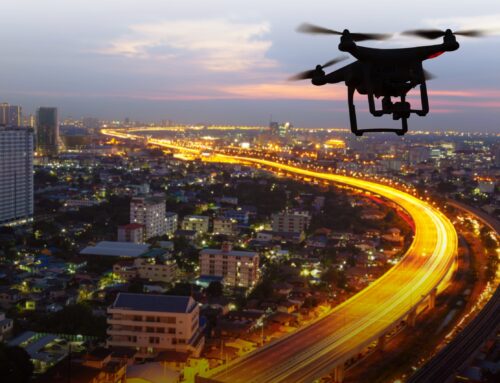
The field of architecture is undergoing a significant transformation, embracing new technologies to enhance both creativity and efficiency. Among these advancements, drones have emerged as a pivotal tool, revolutionizing tasks from design visualization to structural inspections. This blog post explores the dynamic role of drones in architecture and how they are shaping the industry’s future.
Enhancing Design Visualization with Drones
Capturing the Big Picture
In the initial stages of architectural design, understanding and visualizing the context of a site is crucial. Drones equipped with high-resolution cameras offer a comprehensive aerial view, providing architects with detailed insights into the surrounding landscape, existing structures, and potential design implications. This aerial perspective aids in creating designs that are harmonious with their environment.

Drones in Construction Monitoring
Keeping a Watchful Eye from Above
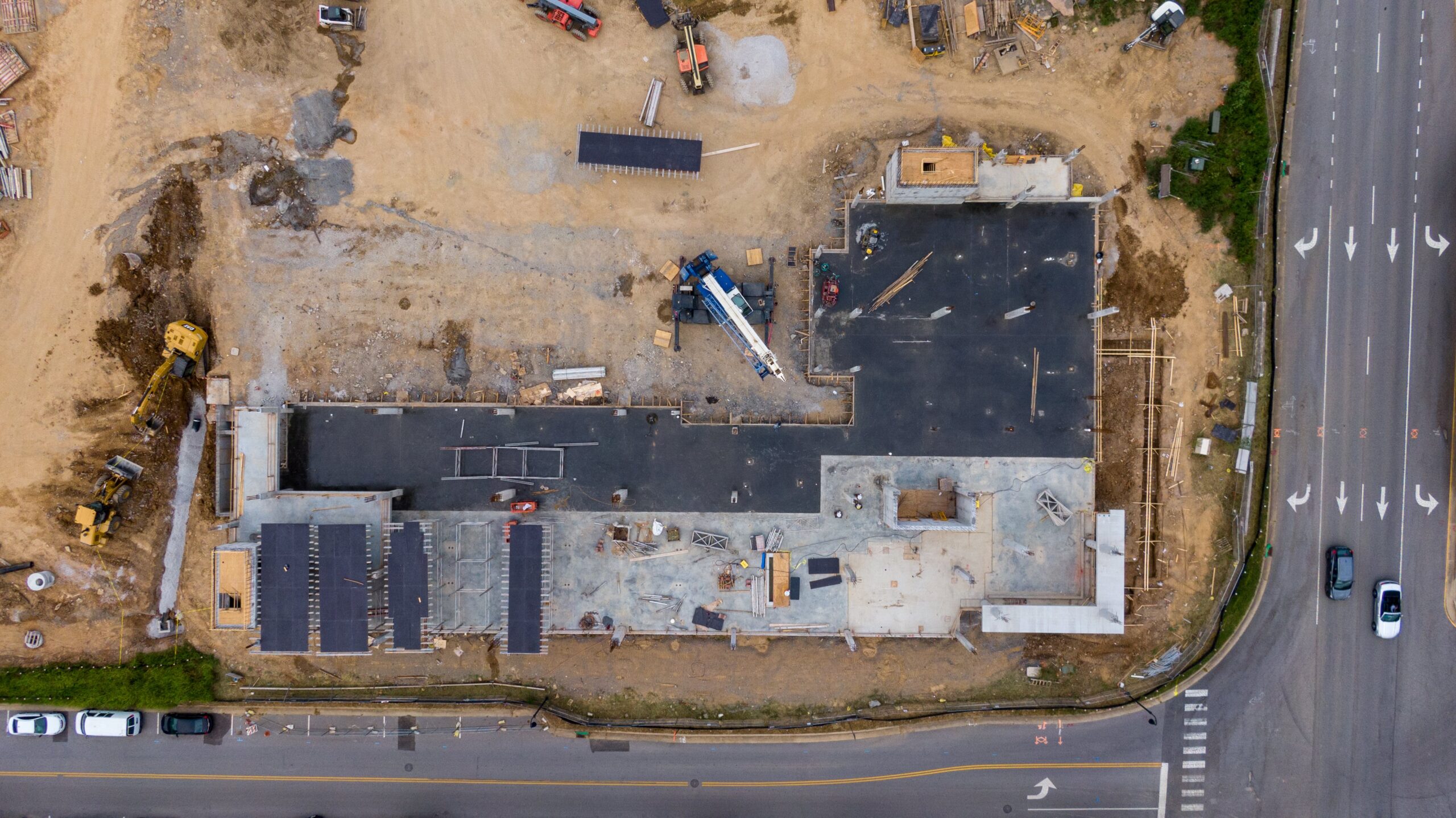
Throughout the construction process, monitoring progress and ensuring adherence to design specifications is vital. Drones offer a unique vantage point to track construction developments in real-time. They facilitate regular and efficient site surveys, helping project managers identify and address issues promptly, thereby reducing delays and cost overruns.
Revolutionizing Structural Inspections
Safety and Precision in Focus
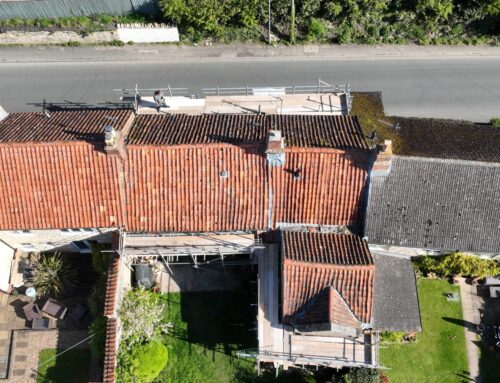
Drones are transforming the way architectural inspections are conducted. They can safely and quickly survey buildings, especially in hard-to-reach areas like high-rise structures, rooftops, and facades. Equipped with thermal imaging and other sensors, drones can detect structural issues, energy inefficiencies, and other potential problems without the need for risky manual inspections.

Interactive 3D Modeling and Mapping
A New Dimension in Architectural Planning
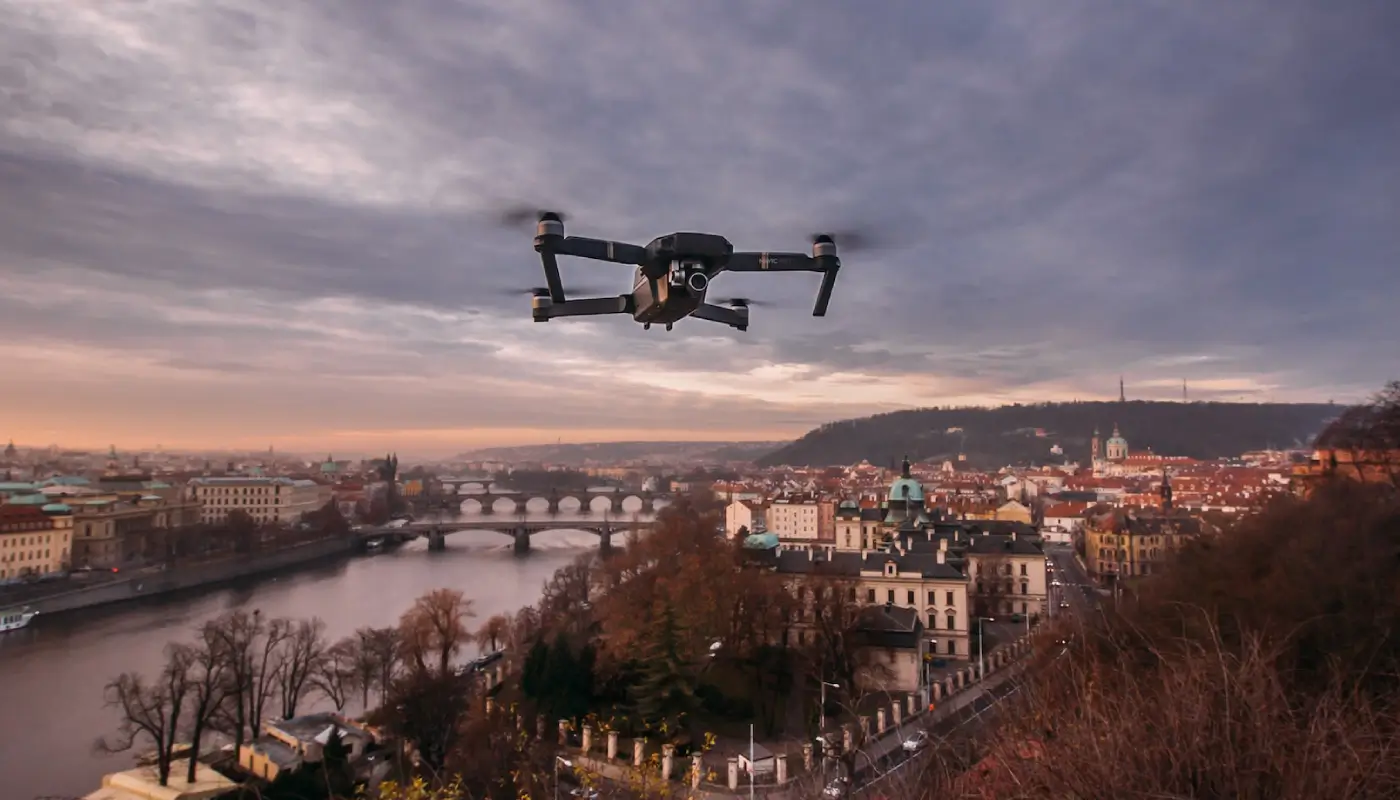
With the capability to capture detailed topographical data, drones are being used to create interactive 3D models and maps. This technology assists architects in planning and simulating different design scenarios, providing a deeper understanding of how a structure will interact with its environment.
Overcoming Challenges and the Path Forward
Navigating New Frontiers
The integration of drones in architecture also brings challenges, including regulatory compliance, privacy concerns, and the need for specialized skills. However, as these issues are addressed, the potential of drones in architecture continues to expand, paving the way for more innovative, efficient, and safe architectural practices.

Conclusion
Drones are not just tools; they are catalysts of change in the architecture industry. By offering enhanced visualization, efficient monitoring, and safe inspections, they are essential in the modern architect’s toolkit. Flipswitch Films is at the forefront of this technological revolution, harnessing the power of drones to bring innovative solutions to the architectural field.