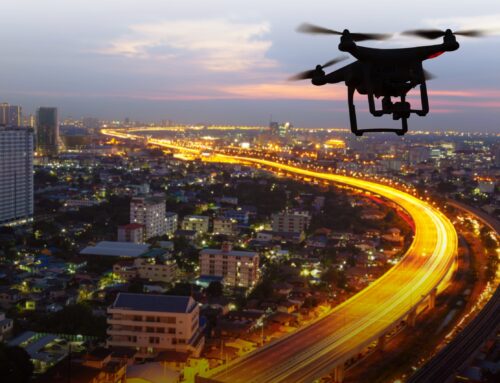

Navigating the Skies: Understanding Drone Weight Classes and Regulations
The world of drones is as varied as it is exciting, with models ranging from lightweight hobbyist drones to heavier, professional-grade equipment. Each weight class comes with its own set of rules and regulations, making it crucial for drone operators to stay informed. In this guide, we’ll explore the different drone weight classes and the regulations surrounding them, ensuring you can fly safely and legally.
Why Drone Weight Matters
Understanding the Impact on Regulations
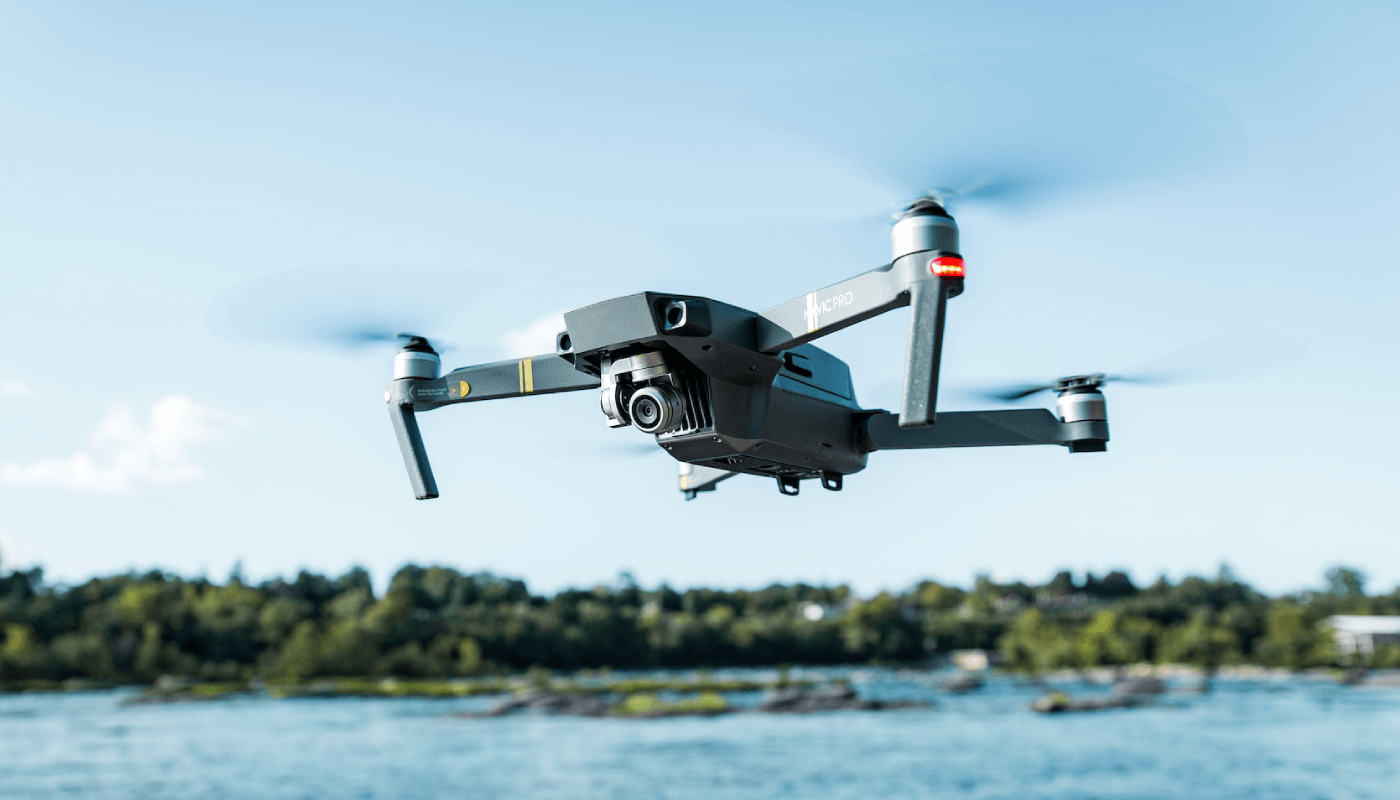
Drone weight is a key factor in determining which regulations apply to your UAV (Unmanned Aerial Vehicle). These regulations are in place to ensure safety in the airspace and protect people and property on the ground.
The Different Drone Weight Classes
Nano Drones (Under 250 grams)
- Regulations: In many countries, drones under 250 grams are subject to fewer regulations due to their minimal risk.
- Examples: Popular models like the DJI Mavic Mini fall into this category, often not requiring registration with aviation authorities.

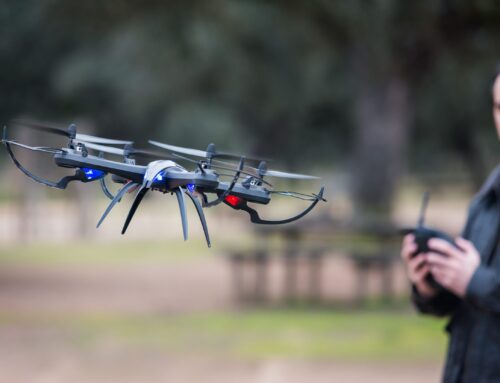
Small Drones (250 grams to 2 kg)
- Drones in this weight class typically require registration and may have more restrictions on where they can be flown. Ideal for hobbyists and semi-professional use, they offer a balance between functionality and ease of use. To see how we at Flipswitch Films leverage these versatile drones in our projects, explore our comprehensive range of services.

Medium Drones (2 kg to 25 kg)
- Regulations: Operators may need to pass certification tests, adhere to stricter flying codes, and in some cases, inform local aviation authorities before flight.
- Usage: Commonly used for professional photography, surveying, and agricultural applications.
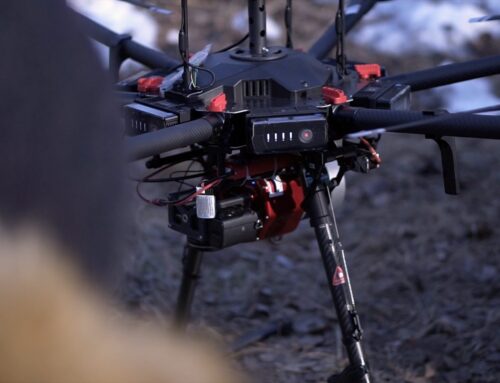
Large Drones (Over 25 kg)
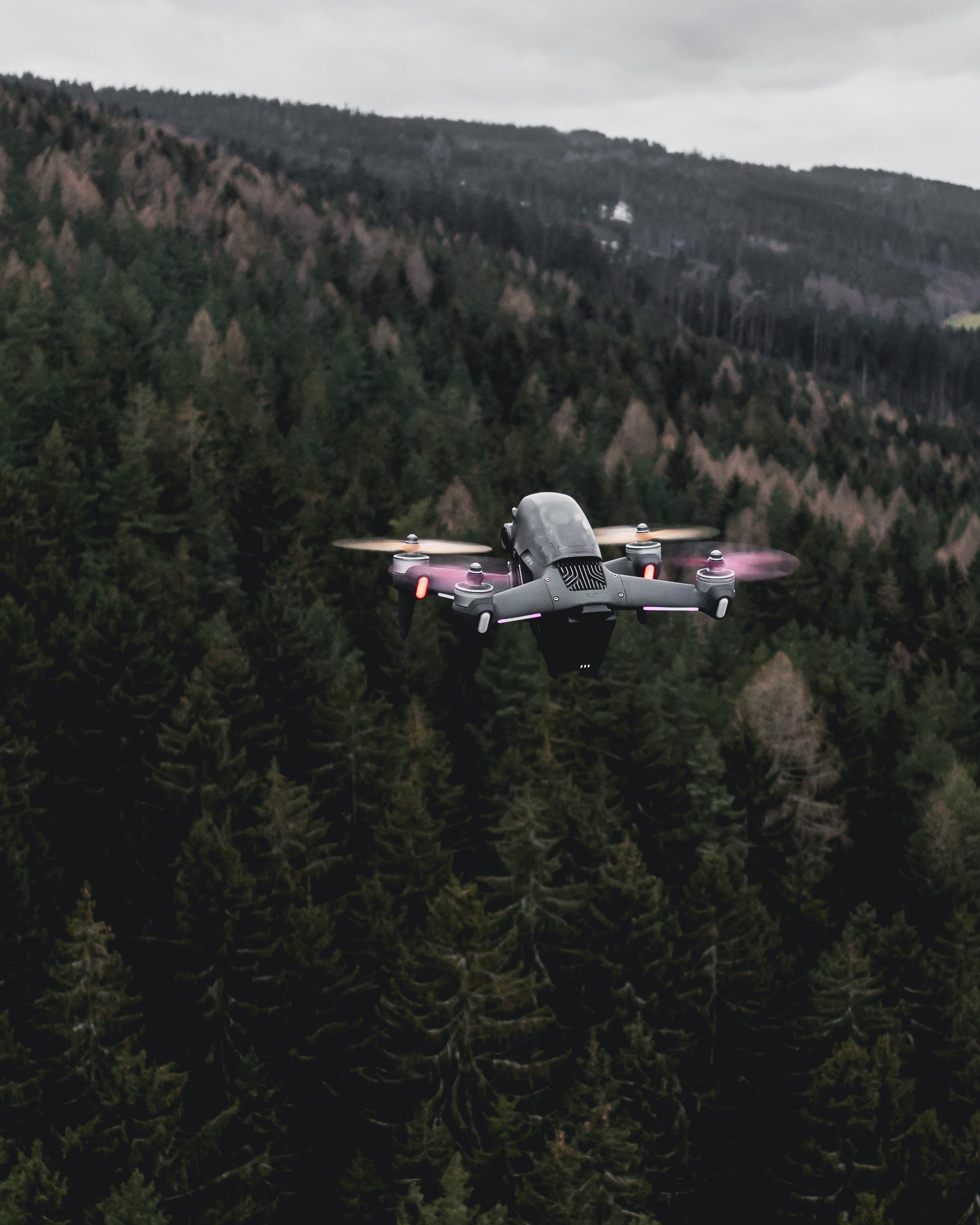
- Requirements: Special permissions and pilot licenses are often required for these drones, along with comprehensive knowledge of aviation laws.
- Applications: Typically used in commercial, scientific, and military operations.

Understanding Your Local Regulations
The Importance of Staying Informed
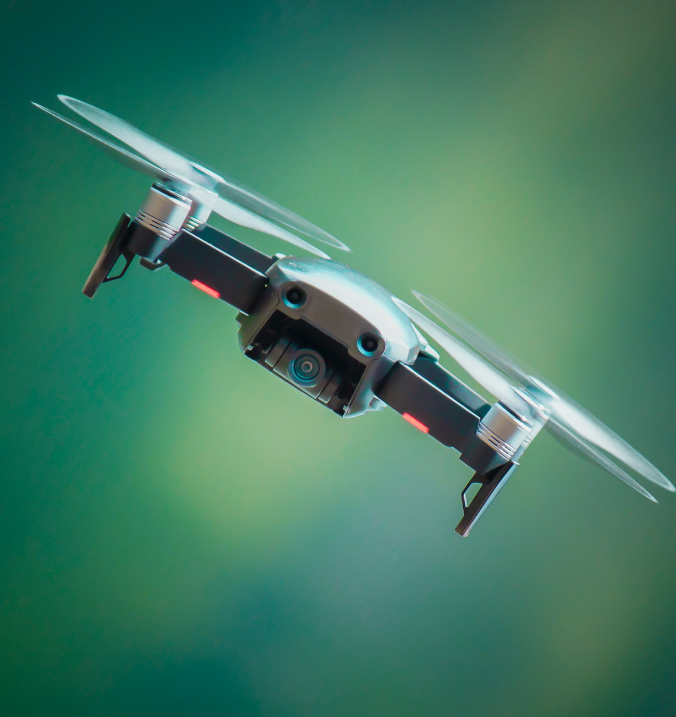
- Drone regulations can vary significantly from one country to another, and even between regions within a country. It’s essential for drone operators to stay current with the rules set by their local aviation authorities. For those operating drones within the UK, the Civil Aviation Authority offers comprehensive and up-to-date guidelines on drone operations. You can find detailed information on the CAA’s official website. Always check the latest guidelines from authoritative sources like the CAA before flying a drone.
Best Practices for Safe and Legal Drone Operation

Beyond Just Following the Rules
- Awareness: Stay updated on changes in drone laws and best practices.
- Respect: Be mindful of privacy concerns and no-fly zones.
- Preparation: Ensure your drone is in good working condition and equipped with necessary safety features.
Conclusion
Understanding drone weight classes and the corresponding regulations is essential for anyone looking to operate a UAV. Whether you’re a hobbyist capturing landscapes or a professional filming for a client, adhering to these guidelines ensures not only the legality of your operations but also the safety of your surroundings. Fly responsibly, stay informed, and let the skies be your canvas!