Drone-Assisted Farming: Shaping the Future of Agriculture
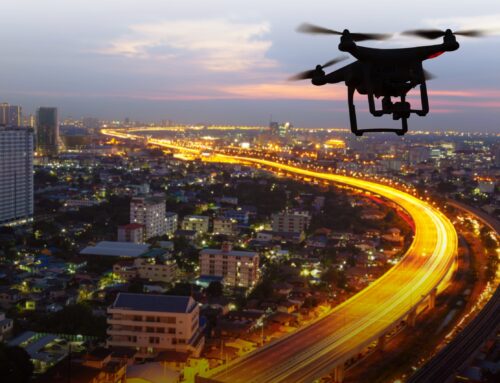
The agricultural sector is experiencing a significant shift, thanks to the integration of advanced technologies like drone-assisted farming. Drones, or unmanned aerial vehicles (UAVs), are now at the forefront of modernizing agricultural practices, offering innovative solutions for crop monitoring and spraying. This blog explores the impactful role of drones in precision agriculture and how they are shaping the future of farming.
The Advent of Precision Agriculture
Targeted Approaches for Enhanced Crop Management
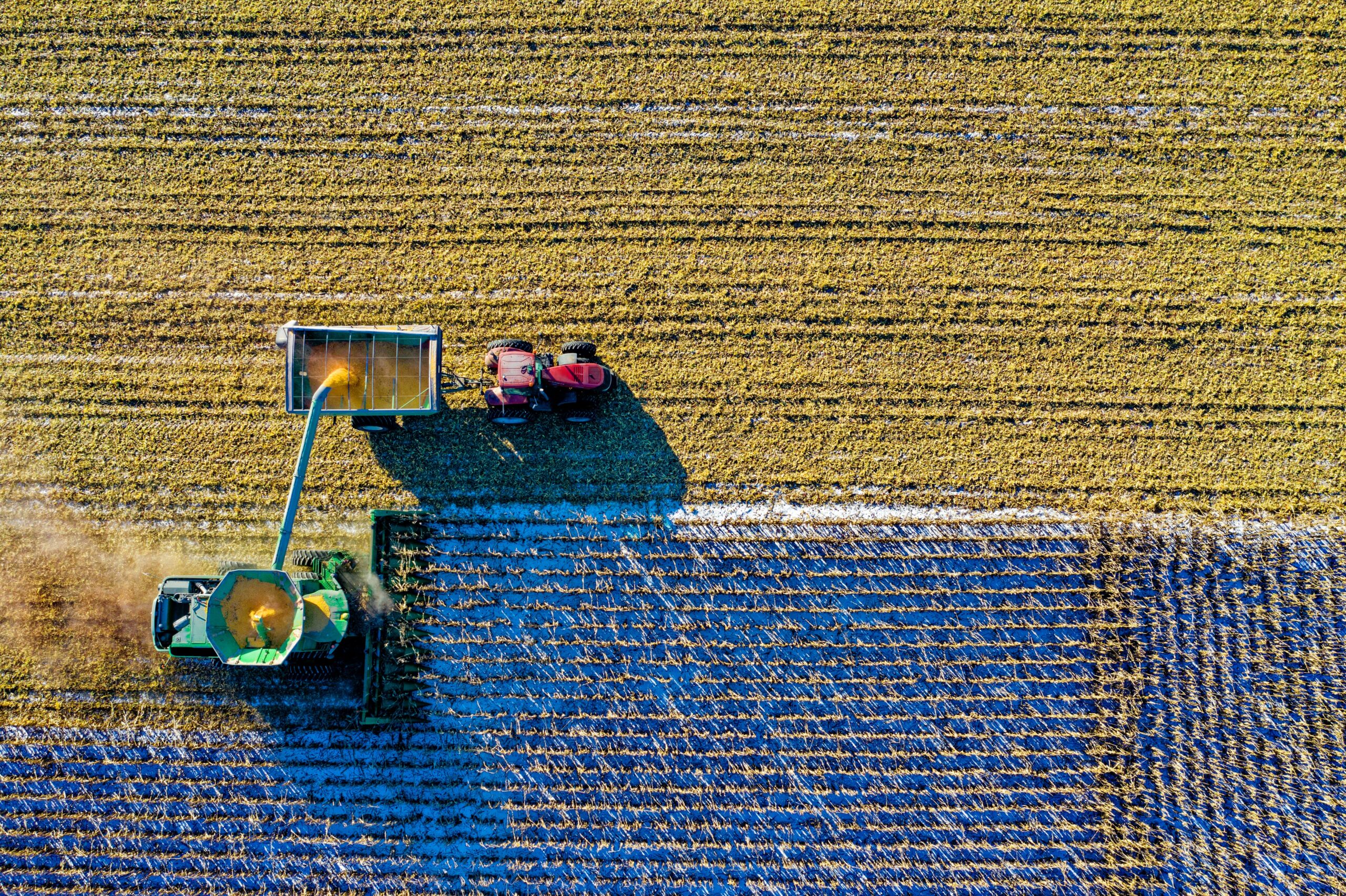
Precision agriculture is about making farming more accurate and controlled when it comes to the growing of crops and raising livestock. Drones play a key role in this, providing data-driven insights that enable farmers to make informed decisions, optimize resources, and ultimately increase crop yields while minimizing environmental impact.

Drones in Crop Monitoring and Analysis
The Eye in the Sky
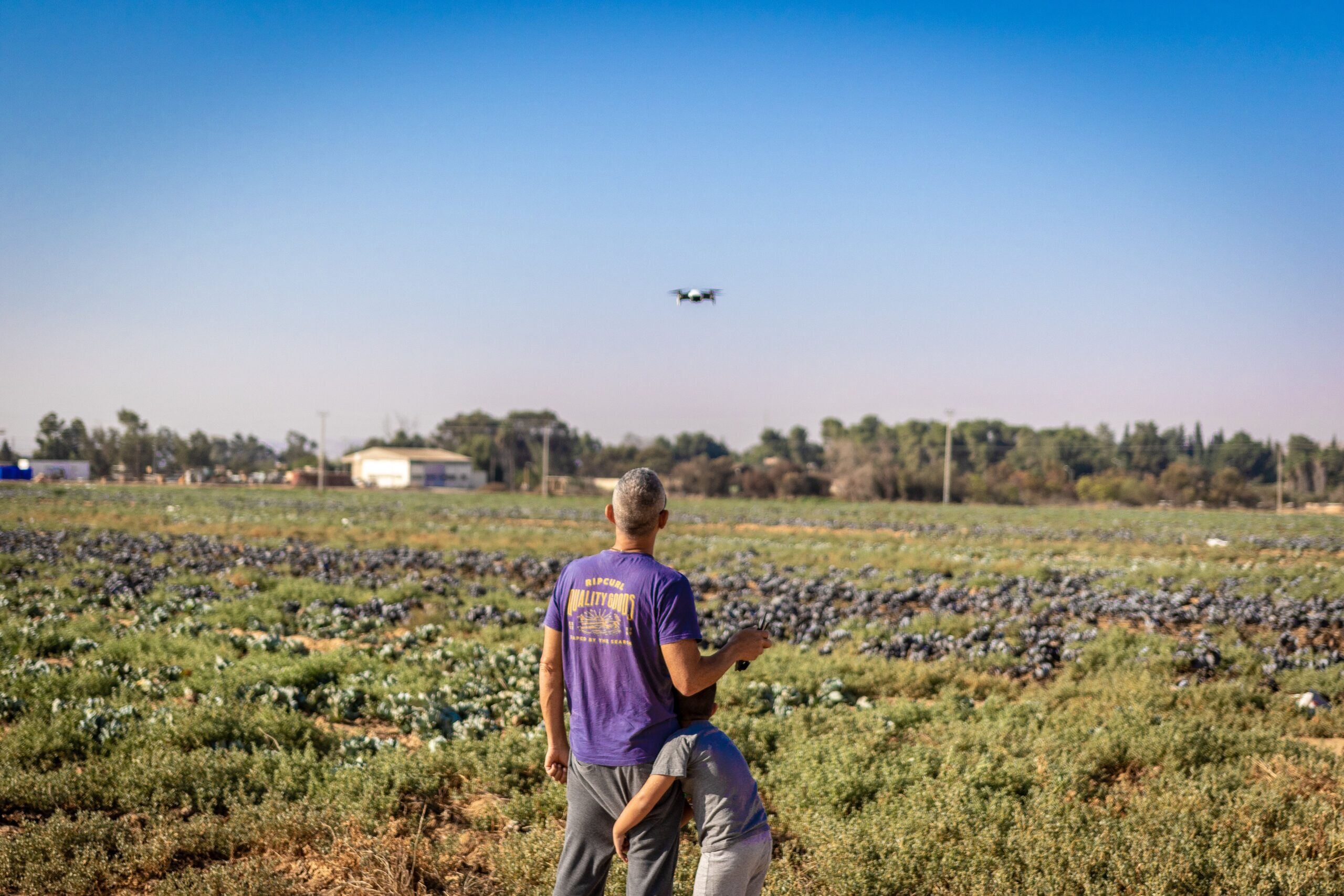
With high-resolution cameras and specialized sensors, drones offer a comprehensive view of the fields from above. They can detect plant health issues, monitor crop growth, and even assess soil conditions. This aerial data is crucial for early detection of problems, allowing for swift intervention to protect crops.
Transforming Crop Spraying and Irrigation
Efficient and Precise Application
Drones are revolutionizing the way farmers spray crops and irrigate fields. Equipped with spray nozzles or dispensers, drones like those found on DJI’s Agriculture page can precisely apply pesticides, herbicides, and fertilizers, ensuring uniform coverage. This not only conserves resources but also reduces exposure to chemicals, making it a safer, more sustainable approach.

Data Integration and Farm Management
Leveraging Information for Optimal Results
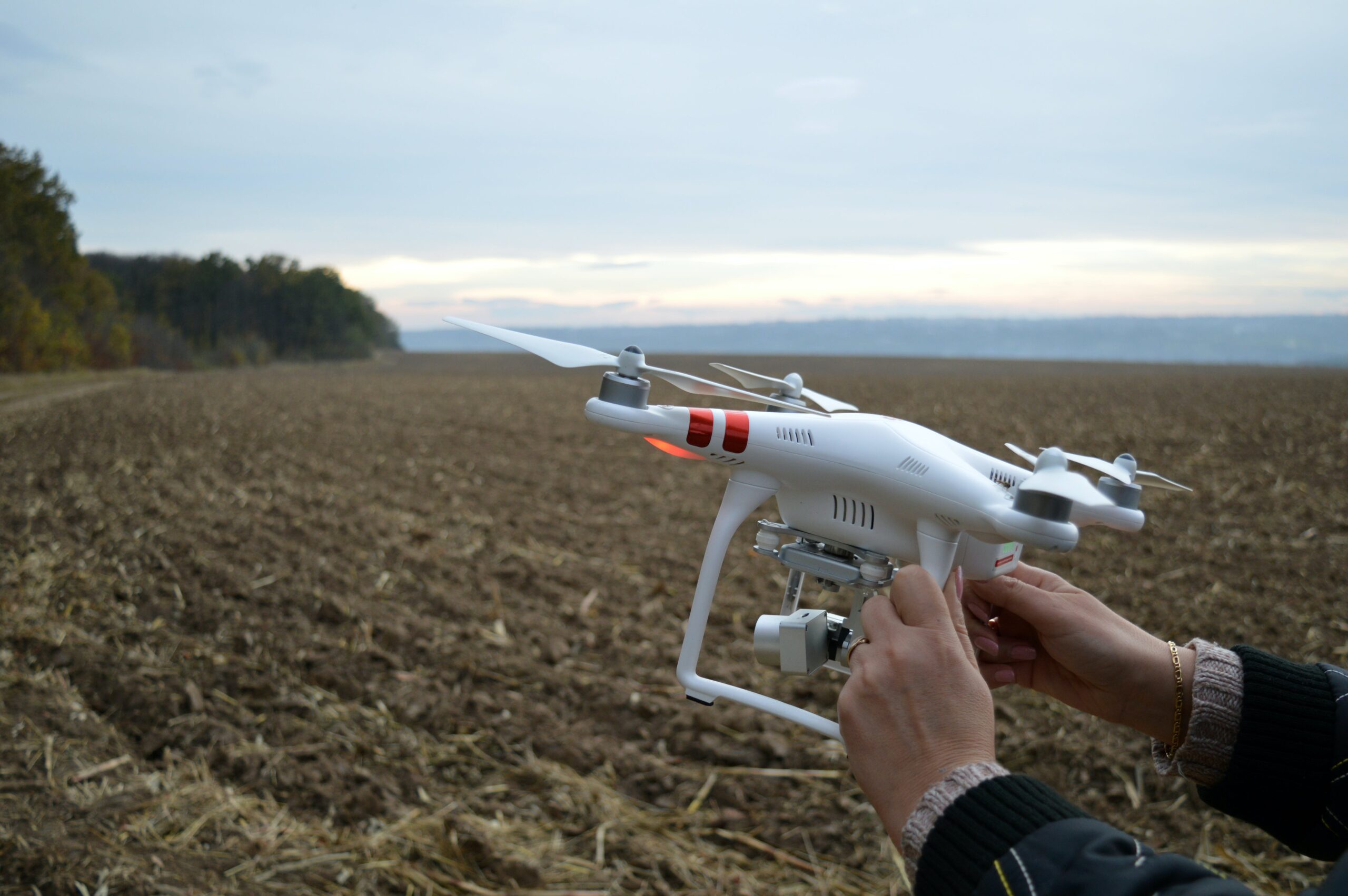
The data collected by drones can be integrated with other agricultural technologies, such as GPS and IoT devices, for comprehensive farm management. This integration allows for more precise planting, watering, and harvesting, leading to more efficient farm operations overall.
Challenges and the Road Ahead
Overcoming Barriers for Widespread Adoption
While drone technology holds immense potential for agriculture, challenges such as regulatory hurdles, initial investment costs, and the need for technical know-how can be barriers. However, with continued advancements and growing awareness, drones are set to become an integral part of sustainable farming practices.

Conclusion
Drone-assisted farming represents a significant leap forward in agricultural efficiency and sustainability. As this technology continues to evolve, it will undoubtedly unlock new possibilities in farming, making it more productive, environmentally friendly, and profitable. Flipswitch Films is excited to be part of this agricultural evolution, bringing the latest in drone technology to the forefront of farming innovation.