Charting the Course: Legal Implications of Drone Advancement in 2024

The drone arena in 2024 is a rapidly metamorphosing facet of technology, hurling several profound ethical and legal quandaries our way. With the enhancement in drone sophistication comes the proliferation of dilemmas associated with their utilisation. The analysis of potential implications in the forthcoming years stands as an insightful and essential task. This line of inquiry aims to illuminate the intriguing intersection of ethics and legality in the context of drones, providing a sneak-peak into the future landscape.
Unfolding Drone Ecosystem
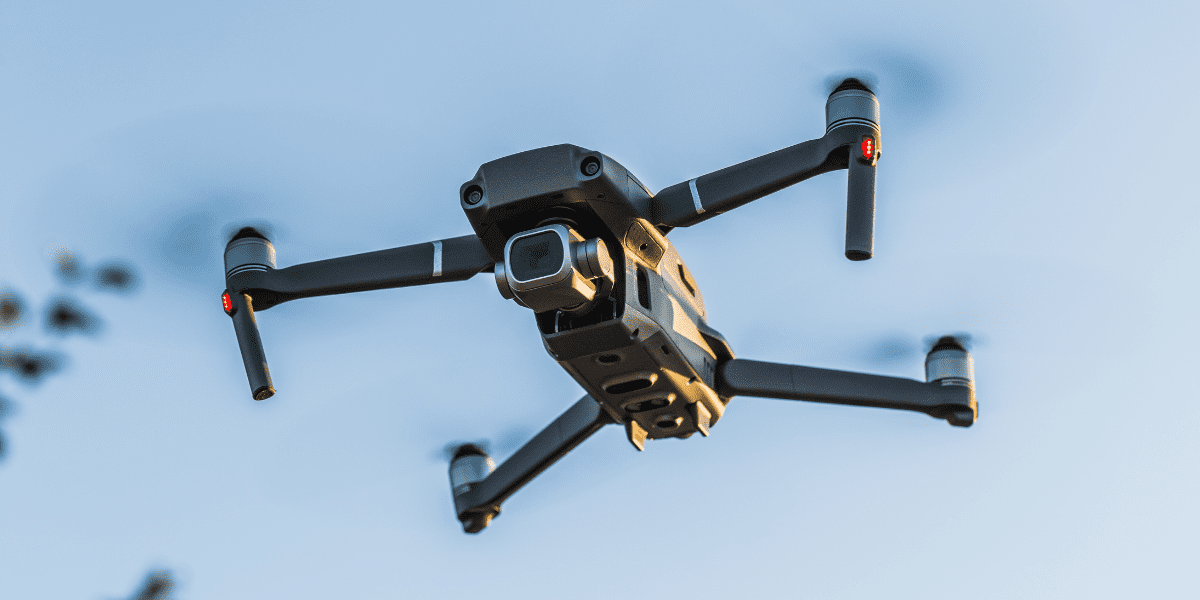
Astronomic Progress of Drone Technology
The drone sector has witnessed swift technological progress, with each ensuing year overtaking the prior in the realm of innovation. As we stand in 2024, drones go beyond mere flight-enabled cameras to metamorphosing into:
- Sophisticated autonomous systems equipped for intricate operations
- Tech-tools with notable boosts in battery longevity, load-bearing capacity, and navigational accuracy
- Devices capacitated for deployment in myriad scenarios
- Artificial Intelligence (AI) has also remarkably progressed, enabling today's drones to:
- Make instantaneous decisions
- Adapt to dynamic environments
- Collaborate in swarms
This rampant growth, showing no signs of slowing down, is completely revolutionising sectors like agriculture and logistics. It is also setting the stage for drones becoming indispensable to the modern-day tech ecosystem.
Drones Impacting Diverse Industries
Drones are making a lasting impression across sundry sectors, revolutionising operations and bringing forth new opportunities. Key sectors impacted include:
- Agriculture: Drones are modernising crop monitoring and land management, leading to enhanced efficiency and sustainability
- Construction: Safer, efficient surveying methods enable accurate data collection for large-scale projects without necessitating human presence in potentially high-risk areas
In the universe of logistics, drones are at the helm of the race towards unprecedentedly fast delivery services. Emergency response teams are harnessing the power of these unmanned vehicles for:
- Assessing disaster-affected areas
- Delivering critical supplies
- Effectuating search and rescue operations more effectively
The reach of drones is far-extending, signifying a paradigm shift towards innovative, efficient, and safer industrial practices.
Unravelling the 2024 Drone Market Landscape
The drone market in 2024 is a thriving ecosystem marked by complexity. It is characterised by an upsurge in consumer demand and enlarged commercial adoption. The market place exhibits:
- A mature competitive landscape, with several players - both start-up and tech behemoths - contending for dominance
- A diversification of offerings, from beginner-level models for hobbyists to top-end drones equipped with advanced features for professional use
Regulatory shifts have kindled innovation, with companies bringing to the market drones that align with the latest safety and privacy norms. Furthermore:
- Partnerships between drone manufacturers and software firms have birthed integrated solutions, tailor-made for sector-specific needs
- Funding flows vigorously into the sector due to ongoing investor recognition of the drone landscape's potential, fuelling further growth and tech breakthroughs
Drone Usage Ethical Issues
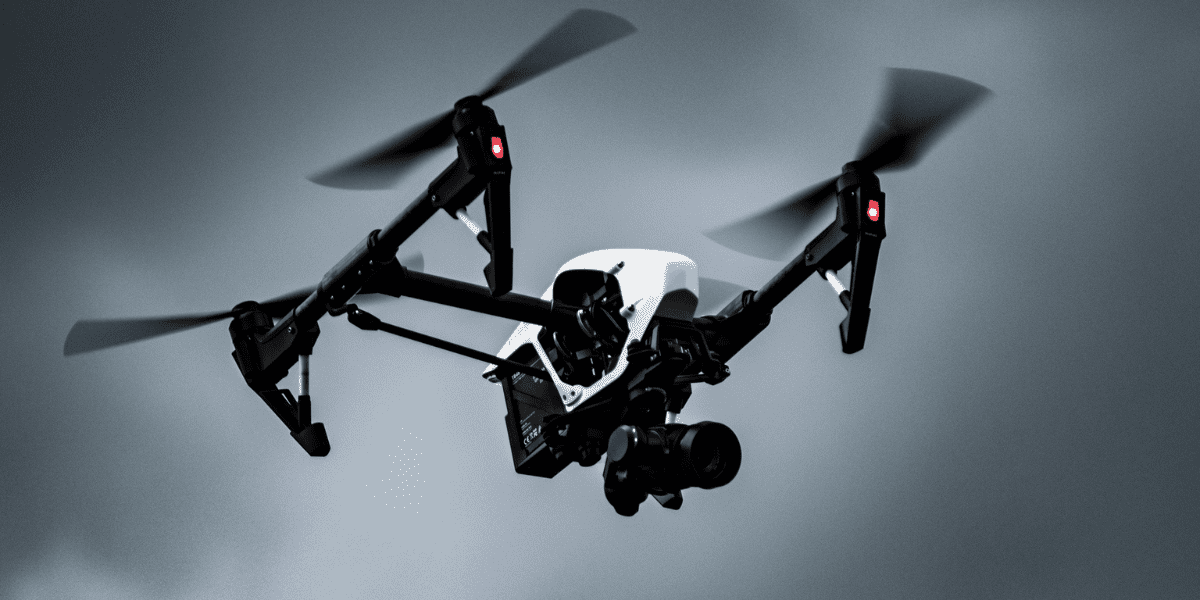
Intrusion of Privacy: A Contemporary Challenge
Privacy concerns occupy a prominent position in the drone ethical debate, primarily due to:
- Drones being fitted with high-resolution cameras and advanced sensors
- The increasing potential for privacy encroachment
Drones hovering overhead in urban locations can unintentionally record sensitive personal instances without consent, leading to public clamour for clearer regulation. Further complexities arise due to drones' ability to easily access impossible-to-reach locations, such as top-story buildings or private gardens. The need for robust privacy protections is intensifying as the capabilities of drones expand, and these need to be ingrained in both drone design and corresponding legal frameworks.
Ethical Quagmire of Surveillance Drones
The use of surveillance drones presents a noteworthy ethical conundrum, especially in the context of public space monitoring. Yet they can be invaluable for security and law enforcement due to:
- Beneficial real-time data and footage collection for deterring crime, managing traffic, and responding to emergencies
- The thin line that exists between vigilance and civil liberty infringement
The critical ethical use of surveillance drones depends on transparent policies and checks-and-balances to prevent misuse. Society needs to engage in continuous discourse to establish clear ethical limits for drone use, ensuring surveillance technologies work in public interest without contravening individual liberties.
Misuse of Drones: Weaponization Threat
The potential misuse of drones for aggressive means is an immediate ethical worry. The shrinking of technology permits drones to be easily tweaked for malevolent purposes. Issues include:
- Drones carrying destructive payloads
- Unauthorised surveillance
The arming of drones by non-state players and rogue units presents a palpable threat to national and worldwide security. The menace is intensified due to affordability and accessibility of drone technology, leading to a growing demand for stricter controls on drone sale and modification. The need of the hour is vigilance, counter-drone tech innovation, and international collaboration to enforce regulations and sanctions against misuse.
The Drone Legal Puzzle
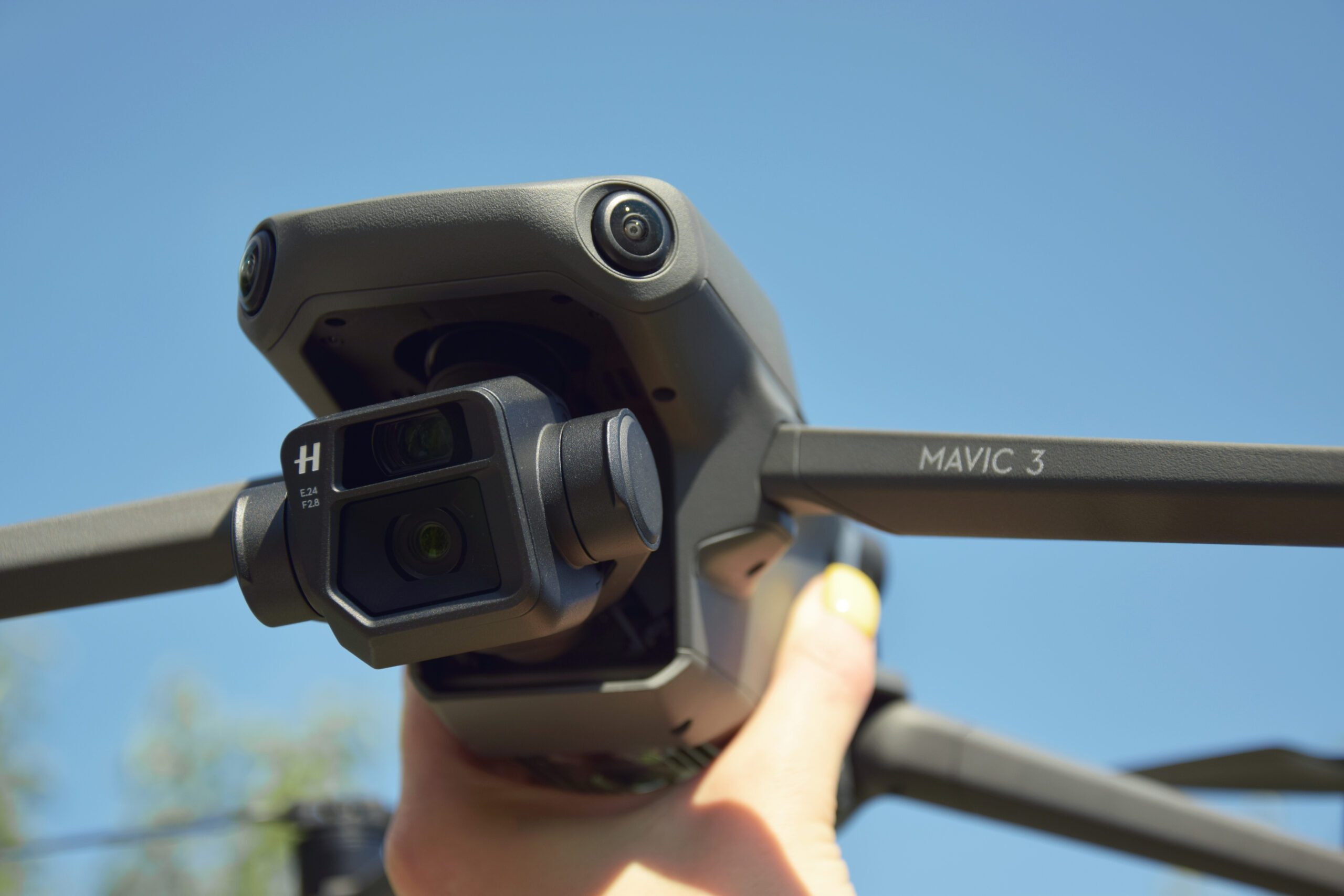
Deconstructing Current Legal Modules for Drones
Existing legal frameworks guiding drones are a collage of national regulations. As of 2024, numerous countries have set up laws that:
- Necessitate drone registration
- Establish drone no-fly zones
- Mandate operator training
These frameworks aspire to ensure safety in airspace, safeguard privacy, and prevent the misuse of drones. The swift progression of drone technology often outstrips these regulations, leading to grey areas and enforcement challenges. Therefore, there is a continuous need for legal system evolution, balancing both innovation encouragement and public safety and privacy assurance.
Forecasting New Drone Laws in 2024
Given the brisk expansion of the drone industry, new laws in 2024 are forecasted to tackle the evolving landscape. Legislators are looking to put forth detailed regulations that cover aspects such as:
- Data protection
- Noise pollution
- Insurance necessities for commercial drone operations
They also aim to allow more advanced drone operations, like beyond-visual-line-of-sight flights, curtailing the need for direct operator control. Future laws are anticipated to invite regulated innovation, maintain public faith, and augment enforcement through measures like remote identification systems.
Managing Cross-Border Legal Disputes of Drone Usage
The international nature of drone usage throws up complex legal challenges. In 2024, efforts are concentrated on harmonising legal standards and establishing mechanisms to resolve cross-border operations disputes. Important steps include:
International Civil Aviation Organization: Setting out guidelines that member nations can use to adjust their national legislations
Multilateral treaties: These are being mulled over to ensure drone operators are cognisant of, and adhere to, varying national legal requirements
Effective resolution of these disputes is paramount to maintaining international airspace integrity and forwarding global cooperation in drone technology enhancement.
Regulatory Steps and Drones
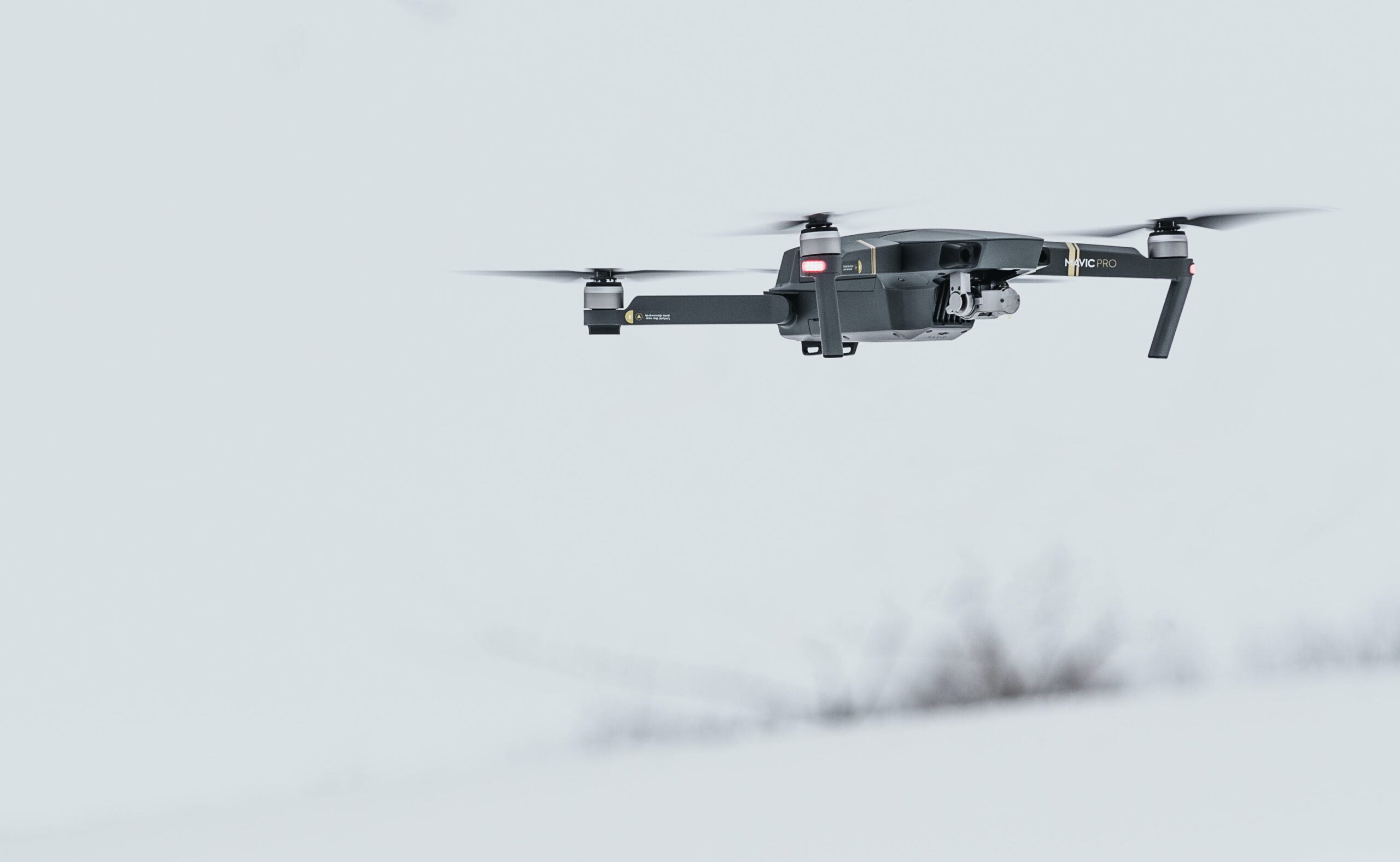
What Regulatory Bodies Do in Drone Governance
Regulatory organisations have a crucial part to play in overseeing drone technologies. Their role in setting the standards for the safe blending of drones into the national airspace system is pivotal. In 2024, these regulatory bodies:
- Move beyond a purely reactive stance and take on a proactive role, sharpening their anticipation of future industry trends and challenges
- Engage in dialogues with all stakeholders - from makers, operators, to the public - to devise regulations that nurture innovation while shielding safety and privacy
Their main areas of focus include drone certification, pilot training and licensing, and laying down operational limitations. Monitoring compliance and enforcing rules form a key part of their role.
A Call for International Standardisation
Given the continued growth in the drone sector, the demand for international standardisation looms larger. A harmonised approach to regulations would further global operation of drones, enabling internationally reaching delivery and cross-boundary environment monitoring. In 2024, a significant industry leader and regulatory bodies-backed appeal is seeking the setting up of international standards. Efforts towards:
- Technical specification standardisation
- Safety protocol agreements
- Operational procedure unification
These would offer a consistent framework for global manufacturers and operators and streamline the process of cross-border collaboration.
Future of Drone Technology
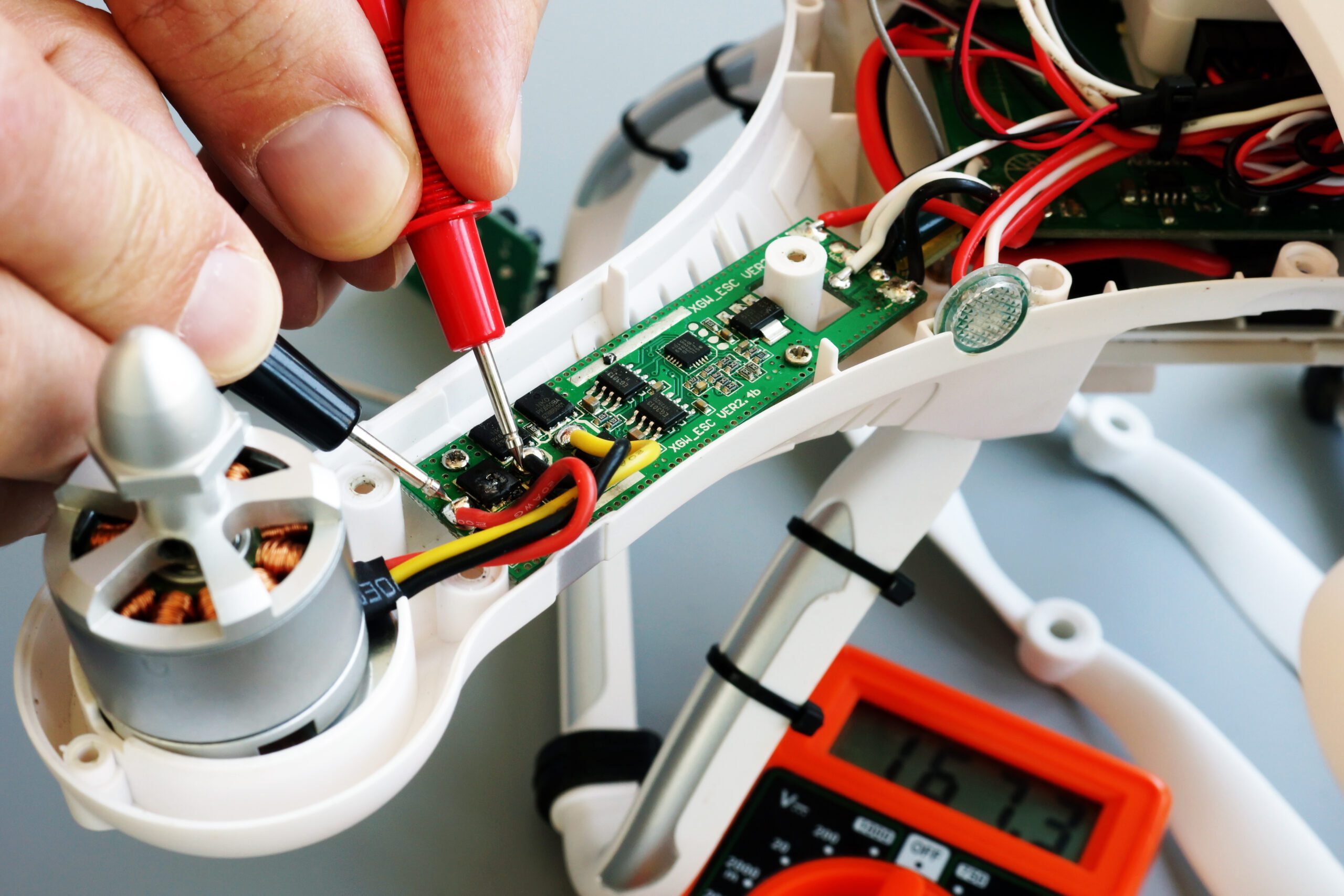
Forecasting Future Technological Improvements in Drones
The horizon of drone technology is ready for radical advancements that pledge to further diversify their capabilities and applications. Among the expected developments are more potent AI, extended battery life and propulsion technology, and continued downscaling. Developments in sensor technology and the integration of 5G networks will make drones safer, more reliable, and more efficient members of the Internet of Things (IoT) ecosystem. Such progress will not only broaden drone functionalities but also bring fresh ethical and regulatory aspects into focus.
Room for Innovation in Drone Laws
As drone technology marches ahead, the legal framework needs to keep pace to both support and oversee the advancement. There is significant room for innovation in drone laws, especially in areas such as:
- Airspace management
- Personal privacy
- Liability
Future enactments could introduce dynamic regulatory models that adapt to changing drone flight conditions and capabilities. There are also possibilities for introducing certificates for new drone technologies and developing more versatile testing and approval approaches. Legal ingenuity may lead to the commencement of drone airways and corridors, and insurance models devised for drone operations.
Drones at the Crossroads of Ethics, Law, and Future
The crossroads of ethics, law, and the future of drone technologies poses intriguing challenges. This locus forces us to consider the kind of future we aspire to create. Addressing emergent drone-based social impact issues lands at the core of this futuristic approach. Just as drones become more ingrained in our everyday life, so too will their laws and ethical guidelines set benchmarks for future technological evolutions. Thoughtful negotiation of this juncture is pivotal to harness drones' potential while simultaneously preserving the bedrock principles of a just and fair society.