Ultimate Showdown: Pros and Cons of DJI Air 3 vs. DJI Mavic 3
In the world of drones, the DJI Air 3 and DJI Mavic 3 stand out as top contenders, each boasting unique features and capabilities. As videographers and drone enthusiasts strive to elevate their aerial filming experiences, the decision between these two models becomes crucial. From advanced technology to flight performance, camera quality to portability, every aspect plays a role in determining which drone will reign supreme. Join us as we delve into the ultimate showdown between the DJI Air 3 and DJI Mavic 3, unravelling their pros and cons to unveil the champion that is poised to take your videography skills to new heights.
Introduction: DJI Air 3 vs DJI Mavic 3 Showdown

A Quick Overview of Both Drones
The DJI Air 3 is a marvel in drone technology, presenting a dual camera system that offers 48MP photography and 4K HDR video, tailored for content creators who demand high-quality outputs. With its extended flight time of 46 minutes and the inclusion of omnidirectional obstacle sensing, this drone is designed to capture detailed scenes with ease and precision. On the other hand, the DJI Mavic 3 is a powerhouse, featuring a 4/3 CMOS Hasselblad camera and the capability to shoot video at 5.1K/50fps. The Mavic 3 also offers a 46-minute flight time and includes advanced safety features like omnidirectional obstacle sensing. Aimed at professional videographers, this drone brings unparalleled image quality and versatility to the table. Both drones are equipped with state-of-the-art transmission systems, ensuring stable connectivity and control during flight operations.
Why Compare DJI Air 3 and DJI Mavic 3?
Choosing between the DJI Air 3 and the DJI Mavic 3 is more than a matter of preference—it's about aligning capabilities with creative ambitions. Both drones represent the pinnacle of DJI's innovation, thus drawing a comparison is essential to discern which model best supports your filmmaking aspirations. Whether you are a hobbyist seeking to capture life's adventures with crystal clarity or a professional videographer aiming to produce cinematic masterpieces, understanding the nuanced differences in performance, camera technology, and flight features is critical. By comparing these models, we aim to assist you in making an informed decision that will not only enhance the quality of your aerial footage but also expand your creative horizons and operational efficiency in the field.
Understanding the DJI Air 3
Unpacking the Pros of DJI Air 3
The DJI Air 3 stands out for its user-friendly interface and advanced features that both newcomers and seasoned pilots can appreciate.
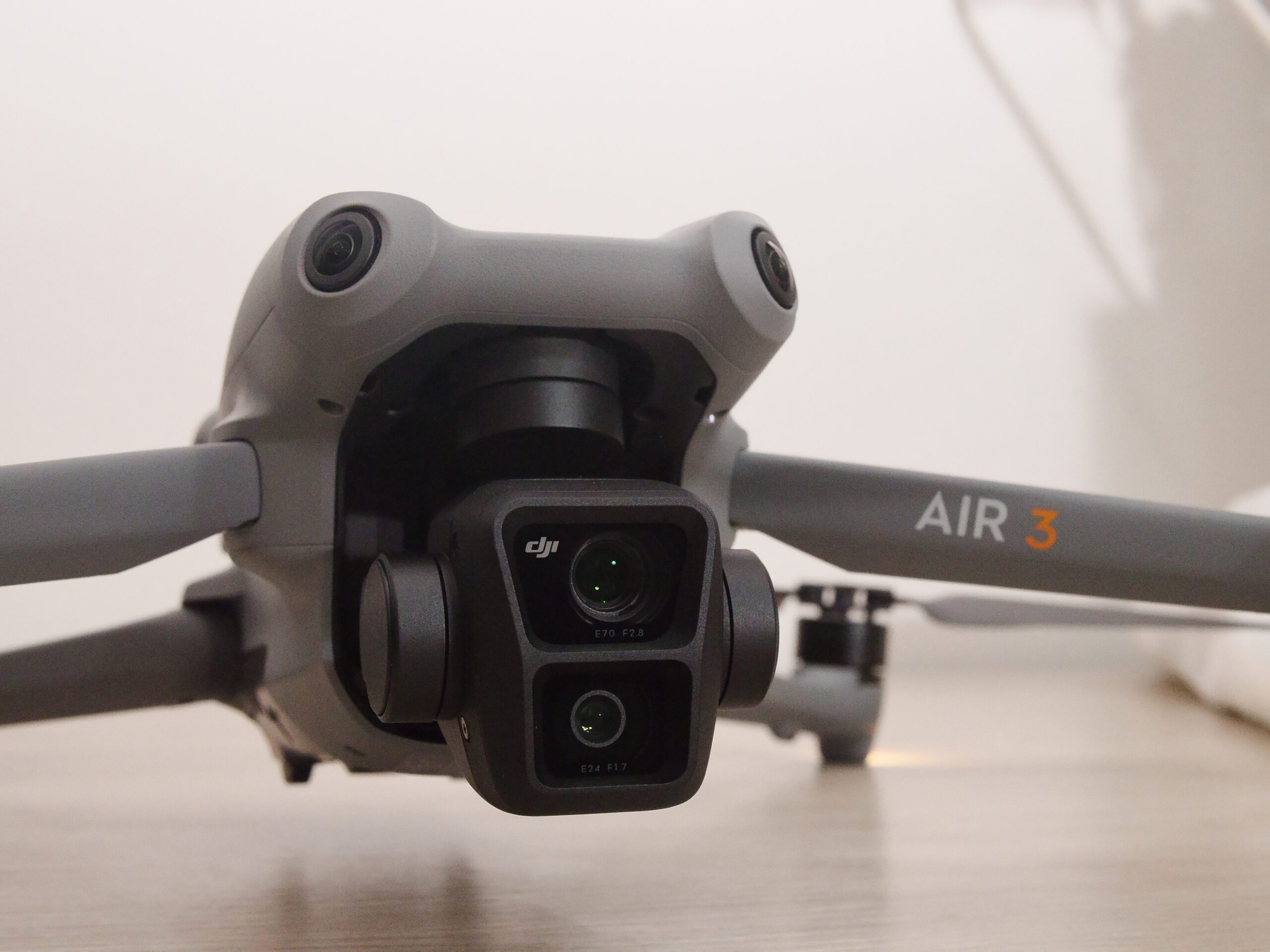
- Dual-Camera System: The DJI Air 3 is fitted with an advanced dual-camera system, capable of capturing 48MP still images and 4K HDR videos. This presents content creators with options for stunning image quality and versatile shooting conditions.
- Extended Flight Duration: Another significant feature of the DJI Air 3 is the extended flight time of up to 46 minutes. This allows for extended periods of footage capture without the inconvenience of multiple landings for battery swaps.
- Omnidirectional Obstacle Sensing: The DJI Air 3 also boasts an omnidirectional obstacle sensing feature. This greatly heightens flight safety by sensing potential hazards from all directions during flight.
- O4 Video Transmission Technology: Lastly, the DJI Air 3 accommodates the revolutionary O4 video transmission technology. This feature assures a high-definition, uninterrupted live feed with robust signal strength over long distances.
These features combine to make the DJI Air 3 a compelling choice for those seeking a balance of performance and portability in their aerial pursuits.
Navigating the Cons of DJI Air 3
Despite the DJI Air 3's many strengths, there are some limitations to consider.
- Sensor Size: One disadvantage is the DJI Air 3's smaller sensor size in comparison to that of the Mavic 3. This could potentially impact image quality in scenarios with low lighting conditions.
- Camera Branding: While the dual-camera system of the DJI Air 3 is quite advanced, it does not carry the revered Hasselblad branding. Hasselblad is a renowned brand favoured for its superior precision in colour accuracy and detailing.
- Video Resolution Limit: For professional videographers, the video resolution limit of 4K for the DJI Air 3 may be somewhat restrictive. This arises particularly as the industry actively shifts towards embracing higher resolutions, like the 5.1K that's offered by the Mavic 3.
- Lack of Pro-Grade Video Codecs: Another potential limitation with the DJI Air 3 is its lack of support for professional-grade video codecs, such as Apple ProRes. This feature is vital for post-production flexibility, a requirement often paramount for professional users.
While the Air 3 excels in many aspects, these considerations may prompt those with professional aspirations to explore more advanced options.
Examining the DJI Mavic 3
Revelling in the Pros of DJI Mavic 3
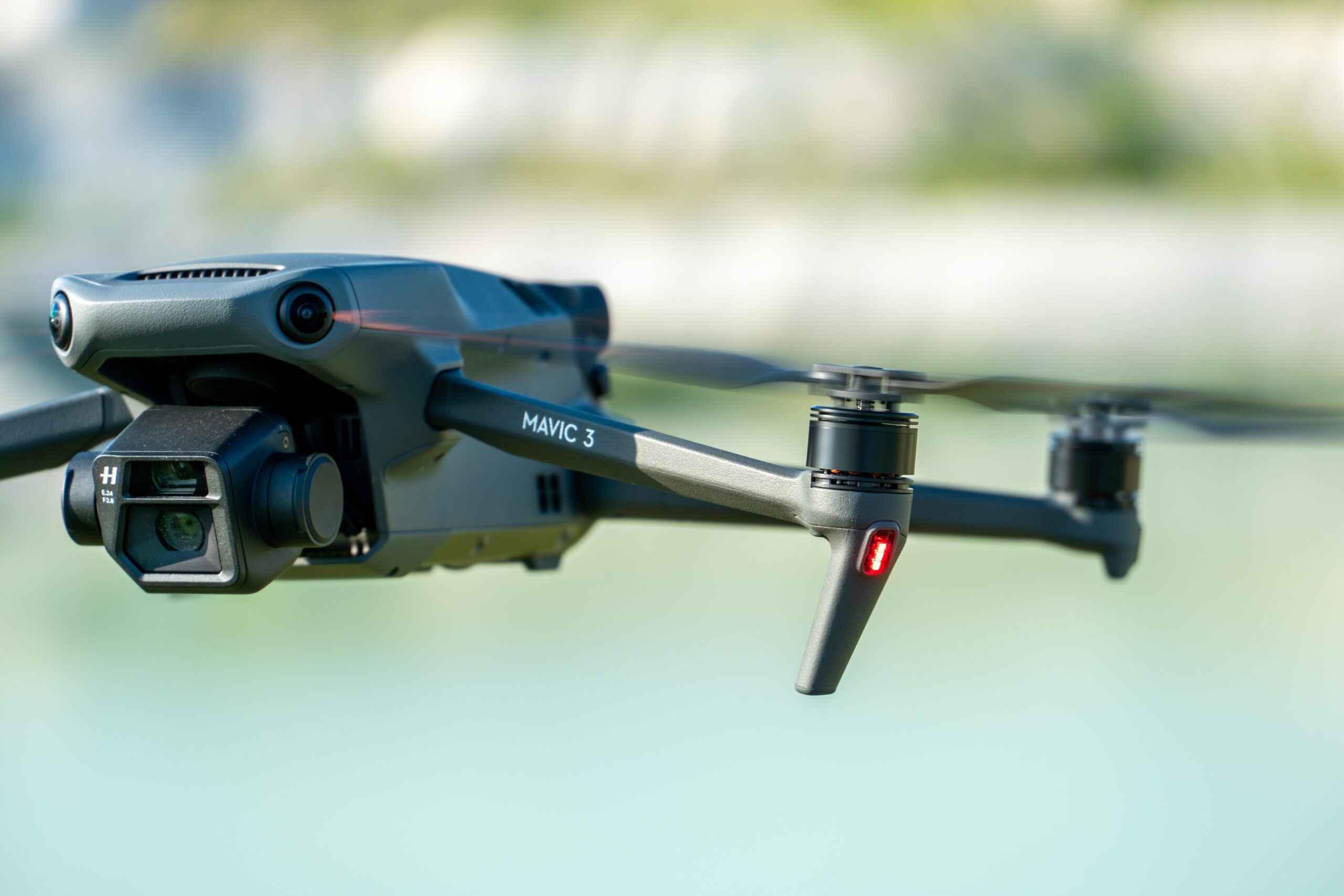
- Superior Imaging Capabilities: The DJI Mavic 3 is a testament to DJI's dedication to pushing the boundaries of drone technology. A standout feature is its exceptional imaging capabilities due to the incorporation of a Hasselblad camera backed by a 4/3 CMOS sensor. This partnership empowers videographers with the capacity to capture 20MP still photos and shoot video at a stunning 5.1K resolution, offering professional-grade quality teeming with intricate detail.
- Apple ProRes Codec Support: Another substantial advantage of the Mavic 3 is the inclusion of Apple ProRes codec support, specifically in the Mavic 3 Cine model. Professionals who engage in extensive post-production will find this feature particularly beneficial, enabling greater flexibility and improved workflows.
- Impressive Flight Time: The flight time of the Mavic 3 cleverly matches the Air 3’s impressive duration of 46 minutes, demonstrating the drone's capacity to capture prolonged, uninterrupted shots.
- Advanced Features: The Mavic 3 further differentiates itself from the Air 3 with the integration of advanced features like a 28x hybrid zoom. This feature is particularly elevating for creatives as it allows for more artistic and flexible shot framing.
- Reliable O3+ Transmission System: Lastly, the Mavic 3's O3+ transmission system provides secure and clear live feeds over extended distances. This feature not only enhances the control of the pilot but also boosts their confidence, especially during complicated flight manoeuvrers.
Acknowledging the Cons of DJI Mavic 3
While the DJI Mavic 3 is a formidable drone, it is not without its drawbacks.
- Investment Level: The Mavic 3 falls on the higher end of the price spectrum, making it a significant investment. This could discourage hobbyists or those just beginning their drone journey. Even professionals must consider the drone's high price point in light of their specific requirements and budget limitations.
- Learning Curve: The Mavic 3 boasts advanced features, yet these enhancements may increase the learning curve. This complexity could be overwhelming for users with less experience in handling advanced drone technology.
- Size and Portability: The Mavic 3's physical dimensions are notably larger than the Air 3. This increased size could influence its portability, a significant factor to consider for users who tend to travel light or frequently change shooting locations.
File Sizes and Post-Processing:The Mavic 3 provides unparalleled video quality, especially when leveraging Apple ProRes. However, the superior quality video results in larger file sizes which demand significant storage solutions, potentially leading to a more involved post-processing workflow.
Detailed Comparison: DJI Air 3 and DJI Mavic 3 Head to Head

Comparing the Technical Specs
A technical comparison between the DJI Air 3 and DJI Mavic 3 reveals key differences. The Air 3 boasts a dual-camera setup with 48MP photos and 4K HDR video, set to impress content creators with its quality and versatility. It has an impressive flight time of up to 46 minutes, and its O4 HD video transmission system supports a 10km range with a 1080p/60fps live feed.
In contrast, the Mavic 3 features a superior Hasselblad camera with a 4/3 CMOS sensor capable of 20MP photos and 5.1K video, offering an advanced imaging solution for professionals. Similarly, it has a 46-minute flight time but stands out with its 28x hybrid zoom capabilities. The Mavic 3's O3+ video transmission system also provides a long-range, high-quality live feed. Each drone serves its audience with tailored specs that cater to different levels of aerial photography and videography needs.
Weighing Up The Flight Performance
When assessing flight performance, both the DJI Air 3 and DJI Mavic 3 offer commendable endurance with up to 46 minutes of air time, minimizing the need for frequent battery changes and allowing extensive sessions of aerial photography. The DJI Air 3 impresses with its agility and responsiveness, suitable for dynamic shooting scenarios. Its omnidirectional obstacle sensing lends peace of mind during complex manoeuvres.
The Mavic 3, however, is designed with more demanding environments in mind, featuring Advanced RTH (Return to Home) and APAS 5.0 (Advanced Pilot Assistance Systems), which enable smarter navigation around obstacles. Its superior wind resistance and faster top speed allow for stable flight in more challenging weather conditions. These attributes make the Mavic 3 a more robust option for professional use, especially when filming in variable outdoor settings.
Appraising The Camera Quality
The camera quality is a pivotal factor in choosing the right drone. The DJI Air 3's dual-camera system offers 48MP stills and 4K HDR video, which is impressive for most content creators looking for high-resolution images and detailed footage. However, the DJI Mavic 3 takes camera performance to the next level with its Hasselblad-branded 4/3 CMOS sensor, capturing 20MP stills and providing the ability to shoot video at 5.1K resolution. This represents a significant advancement in image fidelity and dynamic range, crucial for professional cinematographers who require the highest quality for post-production grading. Additionally, the Mavic 3's support for Apple ProRes codec underlines its professional orientation, catering to those who need the best colour and detail retention. While both drones excel in their respective categories, the Mavic 3 clearly positions itself as the superior choice for professionals demanding the utmost in camera performance.
Conclusion: The Ultimate Winner
Maker's Final Verdict: DJI Air 3 vs DJI Mavic 3
The final verdict in the DJI Air 3 versus DJI Mavic 3 showdown hinges on the user's specific needs and aspirations. The DJI Air 3 emerges as a champion for enthusiasts and content creators who seek high-quality imaging and extended flight times without the complexities of professional-grade equipment. Its portability and ease of use make it an outstanding all-rounder.
Conversely, the DJI Mavic 3 is the ultimate winner for professional videographers and filmmakers who demand the highest quality footage, advanced features, and robust performance. The Hasselblad camera and the ability to shoot at 5.1K coupled with Apple ProRes support provide a level of sophistication suitable for high-end productions. Both drones excel in their domains, but the Mavic 3 stands out as the superior machine for professionals, while the Air 3 is an excellent choice for those who prioritise ease of use and value for money.
What Does This Mean for Drone Enthusiasts?
For drone enthusiasts, the choice between the DJI Air 3 and the DJI Mavic 3 epitomises the crossroads between advanced hobbyist and professional-grade equipment. The Air 3's approachability and quality specs mean that high-calibre aerial footage is more accessible than ever to amateurs and semi-professionals. This democratisation of drone technology empowers more creators to produce content that stands out.
On the flip side, the Mavic 3's professional features signify that the ceiling for what's achievable with a compact drone is constantly being raised. Drone enthusiasts now have at their fingertips the tools to produce cinematic works that were once the sole domain of high-budget productions. The decision ultimately rests on one's individual goals and the scale of their vision, but regardless of choice, both drones offer a gateway to elevate creativity and expand the realm of possibility in aerial photography and videography.