The Evolution of Video Editing: From Cuts to CGI
Video Editing is an art that has undergone a radical transformation since the inception of cinema. From the rudimentary splices of early film to the complex layers of computer-generated imagery (CGI), each era of editing has expanded the horizons of storytelling. In this blog, we’ll explore how video editing evolved and where it stands today.
The Early Days of Film Editing

The Birth of the Cut
The journey of video editing began with simple cuts – physical splices made on film reels. Editors like D.W. Griffith pioneered editing techniques that would become the foundation of continuity editing, shaping the way stories unfolded on screen..
The Analog to Digital Shift
The Introduction of Non-Linear Editing (NLE)
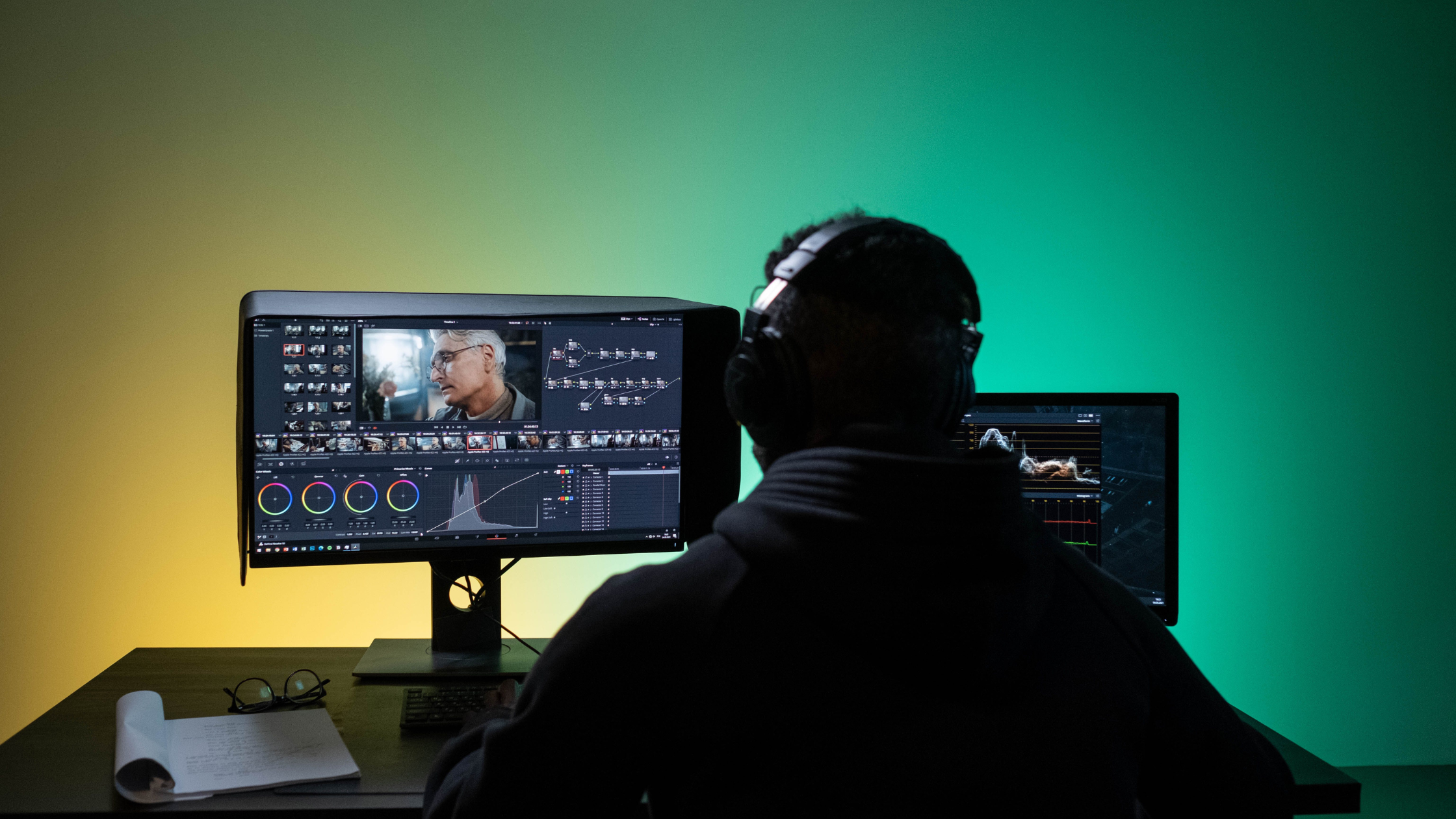
The advent of digital technology introduced non-linear editing systems like Avid and Adobe Premiere, revolutionising the editing process. Editors could now manipulate footage with flexibility never before possible, marking the end of the painstaking process of cutting and splicing film strips.

Special Effects and CGI: A New Creative Frontier
The Green Screen Effect
Chroma keying, or green screen technology, allowed filmmakers to merge actors with digitally created backgrounds, opening up worlds of new creative possibilities.

CGI Takes Centre Stage

The Rise of Blockbuster Visuals
As CGI technology advanced, it became a staple in Hollywood blockbusters. Movies like ‘Jurassic Park’ and ‘The Matrix’ showcased the potential of CGI, blending reality with digital artistry.
The Modern Era of Video Editing

Real-Time Rendering and 4K Workflows
Today’s video editing software offers real-time rendering and supports 4K workflows, allowing for a more efficient and higher quality editing process.
The Future of Editing: AI and Machine Learning
The Dawn of Automated Editing
AI and machine learning are set to revolutionise video editing further. With AI-assisted editing, we’re looking at a future where software can make creative decisions, potentially altering the editor’s role.
Conclusion
The evolution of video editing has been a fascinating journey from its humble beginnings to the sophisticated art form it is today. As we look to the future, one thing is clear – the potential for innovation in video editing is boundless, and its impact on cinematic storytelling continues to grow.