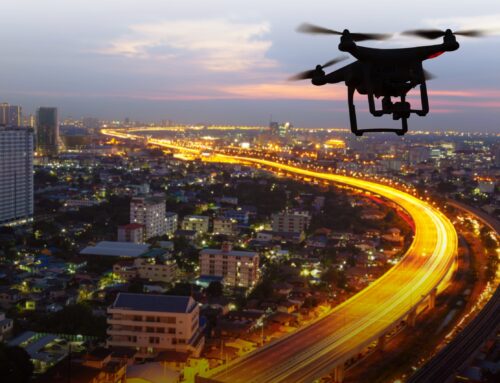

In the vast tapestry of cinematic storytelling, perspectives matter. While close-ups capture emotions and wide angles depict environments, there’s one angle that stands tall, quite literally – the bird’s-eye view. This zenithal perspective isn’t just about a camera soaring high; it’s about unlocking new dimensions in storytelling.

The Emotional Landscape of the Bird’s-Eye View
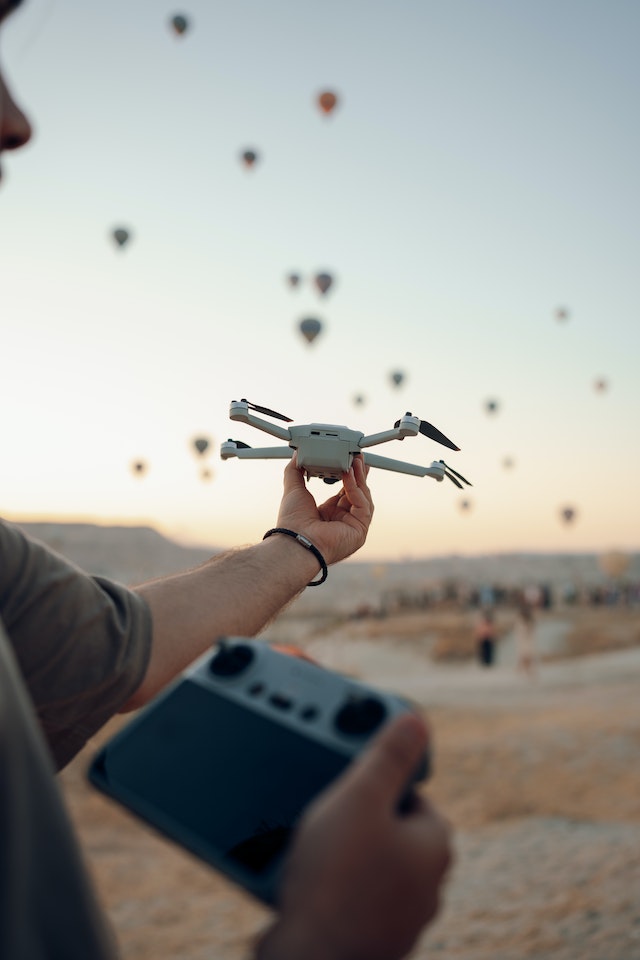
Vastness & Awe
From the vastness of open seas to the intricate patterns of cityscapes, the top-down view evokes a sense of awe, emphasizing the grand scale and the insignificance of individual entities.
Isolation & Vulnerability
A lone individual in an expansive setting can evoke feelings of isolation, vulnerability, or introspection, making the bird’s-eye view a potent tool for emotional storytelling.

Narrative Benefits of Aerial Perspectives
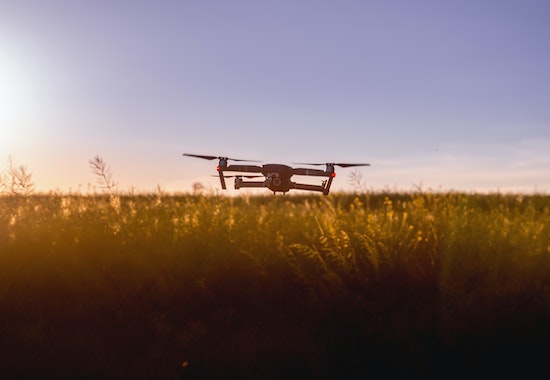
Context Setting:
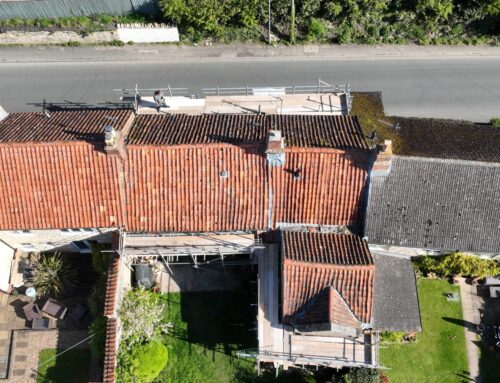
Beginning a story with an aerial shot can instantly set the context, be it the hustle of New York streets or the serenity of the English countryside.

Transitioning Between Sequences:
Moving from one scene to another? An aerial perspective can serve as a visual breather, allowing viewers to assimilate before diving back into the narrative.
The Artistic Merit
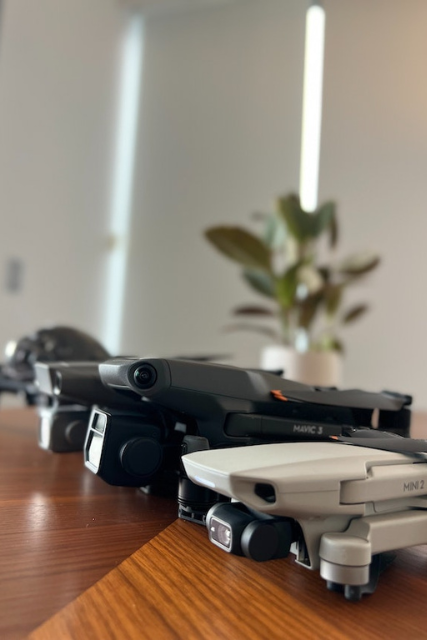
Patterns & Symmetry
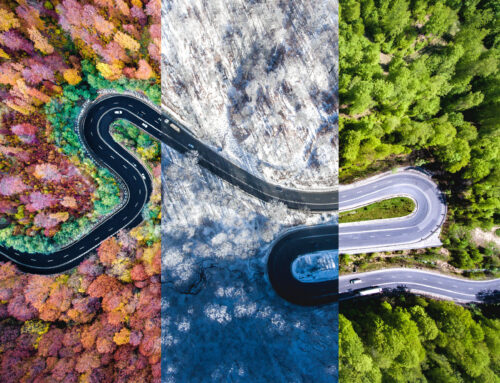
The world is a mosaic from above. The bird’s-eye view reveals patterns – natural and man-made – that ground-level shots can’t capture.
Playing with Shadows
The zenithal angle, combined with the right lighting, can create dramatic shadows, adding depth and intrigue to scenes.

The Technical Edge
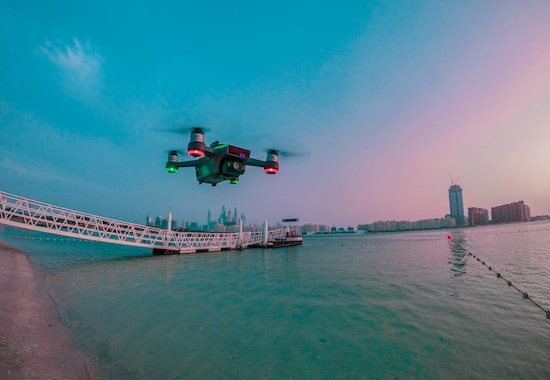
Seamless Tracking:
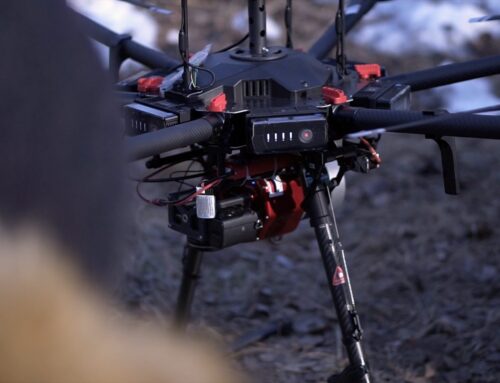
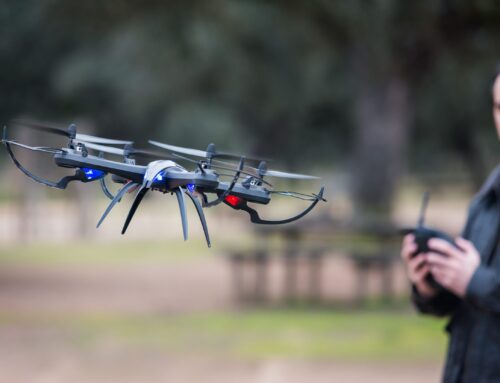
Following subjects becomes a breeze with the bird’s-eye view, especially with drones, offering smooth, uninterrupted tracking shots.
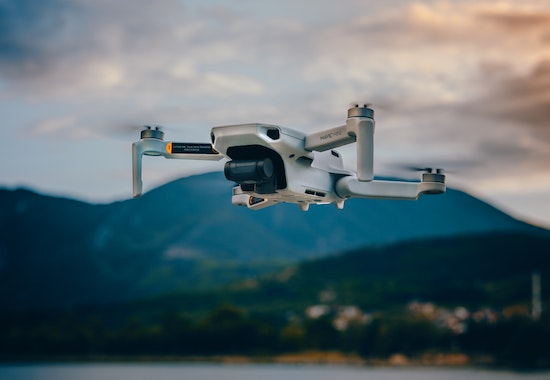
Integrating CGI:
For films dabbling in special effects, the top-down perspective offers a canvas to seamlessly integrate CGI elements, further enhancing the viewing experience.
Conclusion
The bird’s-eye view isn’t just a cinematographic technique; it’s a narrative device, an emotional catalyst, and an artistic expression. In the ever-evolving world of storytelling, it ensures that stories aren’t just told; they’re experienced from a vantage point that only the skies can offer.